
Navigation

Mathematical Grammar School History

1962–1967

Mathematical Grammar School through the years

The school grew from the belief that young people with exceptional abilities should have a different, more stimulating path to learning.

  1. 1962
    Beginnings

    The journey of an idea

    Professor Vojin Dajovic writes an extensive study on the role and importance of mathematics and its teaching in Yugoslavia. The need to identify and systematically support young mathematical talent comes into focus.

    Read more

    The founding of the school was preceded by discussions, professional initiatives and work on a specialised educational model. The aim was to combine advanced mathematics teaching with scientific thinking and collaboration with the University.
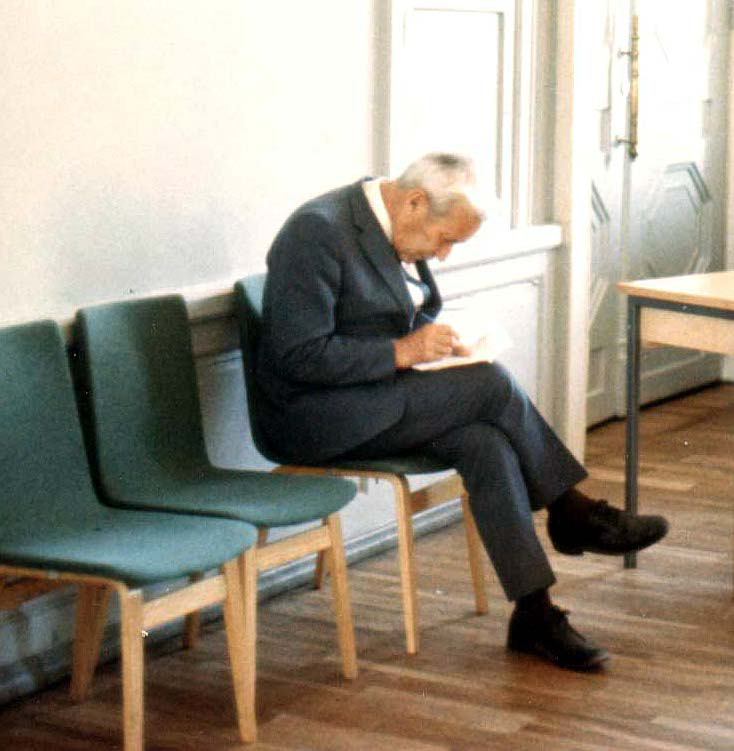
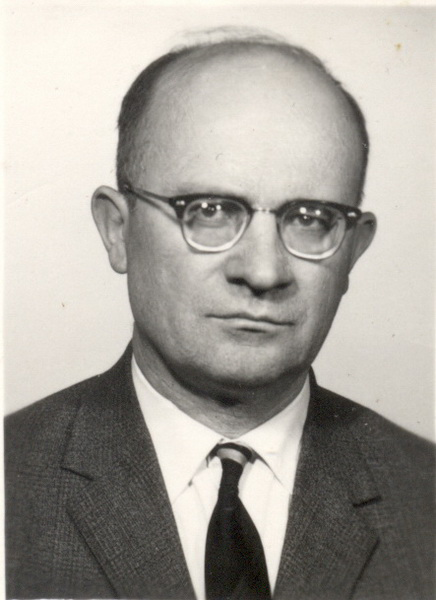
    Andrey Nikolaevich Kolmogorov
    Andrey Nikolaevich Kolmogorov
  2. 1963/64
    Inspiration

    Experience from Moscow, an idea for Belgrade

    During their stay in Moscow, Vojin Dajovic and Dusan Adnadjevic learn about specialised schools for young mathematicians, including the school founded by Andrey Nikolaevich Kolmogorov.

    Read more

    On returning to Belgrade, Dajovic proposes establishing a specialised school for gifted students. Bringing the idea to life required a curriculum, a teaching team and support for a new kind of school. The path from the initial idea to the establishment of Mathematical Grammar School in Belgrade was full of difficulties and obstacles. The school's focus on exceptional talent was a particular point of contention, as it differed sharply from the prevailing principle of uniform education.

    Vojin Dajovic
    Academician Vojin Dajovic
    Dusan Adnadjevic
    Professor Dusan Adnadjevic, PhD
  3. 1965
    Preparing to open the school

    From proposal to curriculum

    The Education Council of the City of Belgrade accepts the proposal to establish Mathematical Grammar School. A founding committee is formed to prepare the curriculum and select suitable teaching staff.

    Read more

    The founding committee for Mathematical Grammar School in Belgrade consisted of Nikola Vucenov, Vojin Dajovic, K. Milinkovic and Ranko Radovanovic.

    As part of the preparations, a report on establishing Mathematical Grammar School was drawn up by a committee consisting of Vojin Dajovic (chair), Ranko Radovanovic, Nikola Vucenov, Milan Raspopovic, Radovan Matovic, Branka Vuckovic and Branislava Mojsovic. The committee developed a curriculum based on the science and mathematics stream of general secondary education.

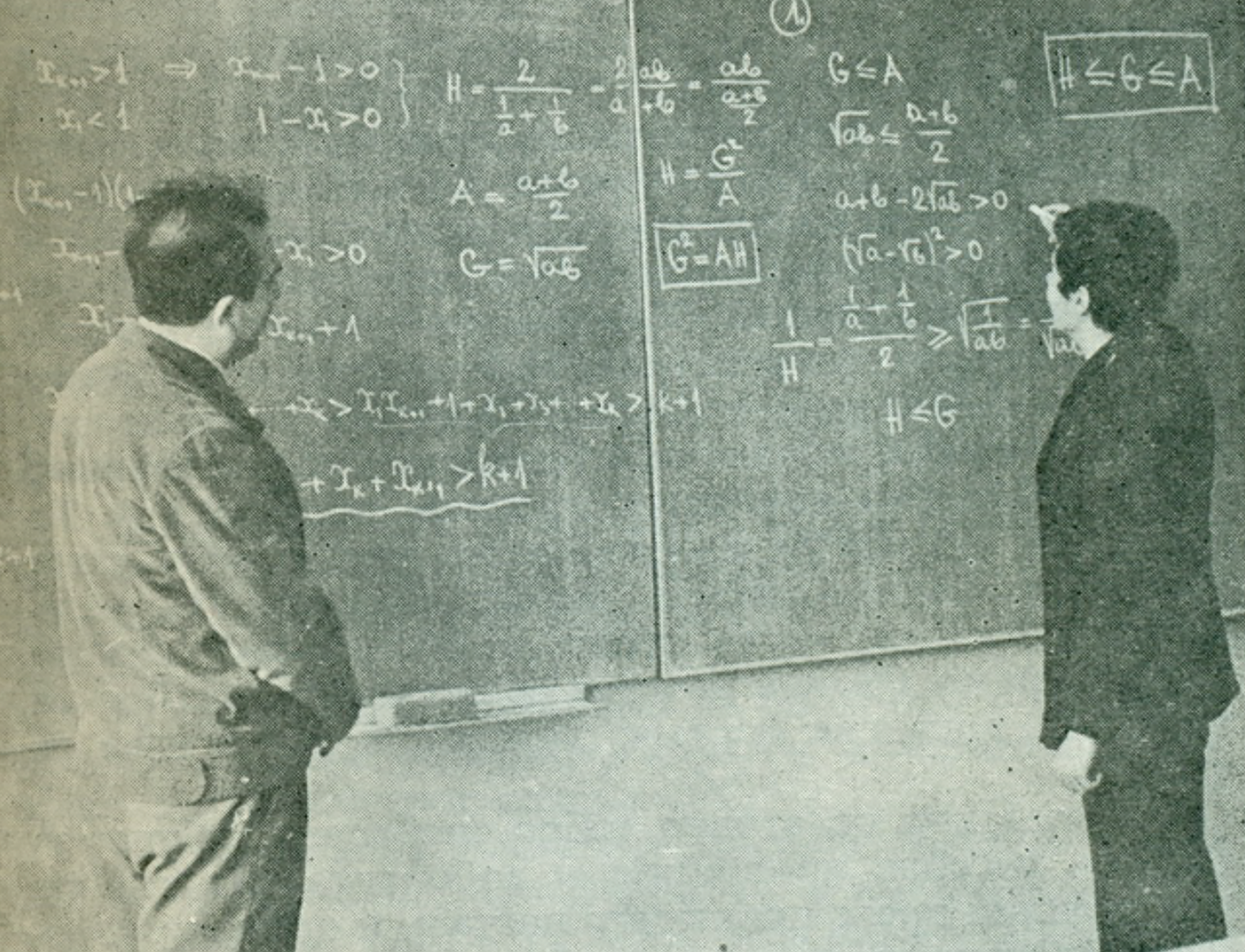
    The mathematics curriculum was written by Vojin Dajovic and his wife, Professor Milica Ilic-Dajovic. Mathematics teaching was modernised, broadened and deepened, with the introduction of elements of numerical mathematics, mathematical logic, programming and various applications of mathematics.

    The foundations of Mathematical Grammar School's distinctive approach were laid from the outset: an entrance examination, specialised curricula, carefully selected talented teachers, collaboration with the University and classes of 20 students.

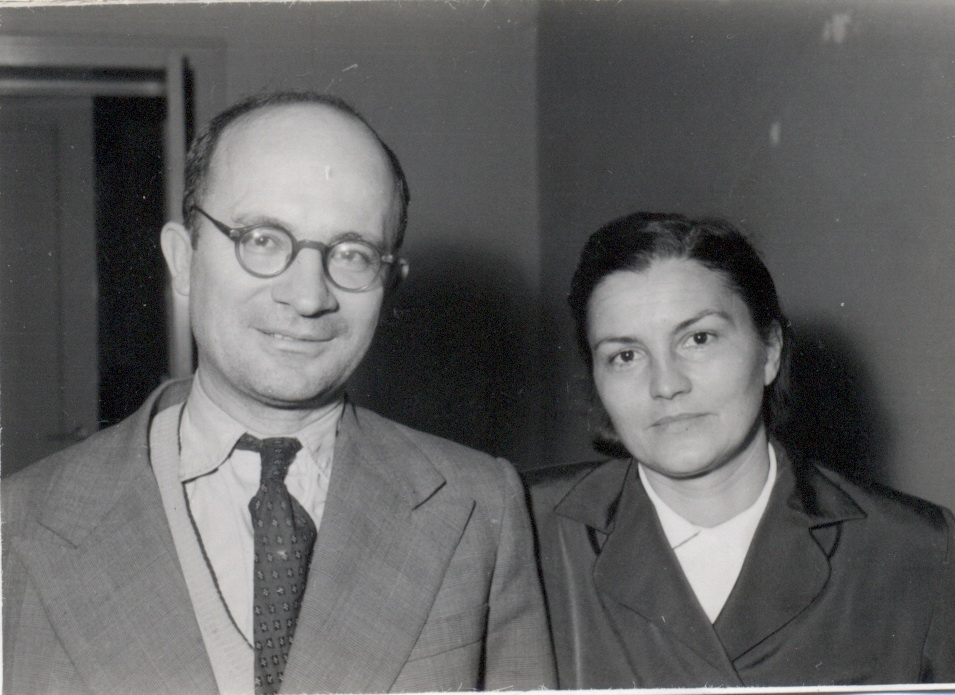
    Milica Ilic-Dajovic and Vojin Dajovic
    Milica Ilic-Dajovic and Vojin Dajovic
  4. 1966
    Foundation

    Mathematical Grammar School is founded

    The decision to establish the school was issued on 17 May 1966. Teaching begins on 19 September, with 55 students enrolled in three second-year classes.

    Read more

    The school opens in the Rista and Persa Milenkovic Endowment building at 37 Narodnog Fronta Street, now Kraljice Natalije Street. The first day of teaching was postponed from early September because applications continued after the school year had begun. Ranko Radovanovic, MSc, then head of Belgrade's Institute for Education and Pedagogy, serves as acting director.

    Ranko Radovanovic
    Ranko Radovanovic, MSc, the first acting director
    Students of Mathematical Grammar School's first class
    Mathematical Grammar School's first class
  5. The early years
    Staff

    The people who laid the foundations

    The first permanent teaching staff were Milan Kojic, Branislava Mojsovic, Bogdan Smiljevic and Milan Raspopovic. University professors and young associates also join the teaching team.

    Read more

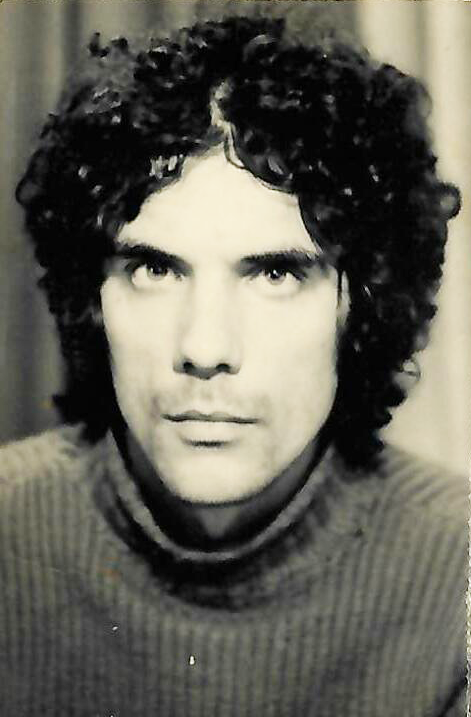
    Vojin Dajovic, Milica Ilic-Dajovic and their son Slobodan taught as volunteers for many years. The exchange between the school and the University became a lasting part of its identity: students were introduced to scientific research, while young teachers gained experience in working with gifted students.

    Professor Dajovic chose his colleagues with great care, seeking experienced, accomplished and ambitious teachers. Lessons began at 7:15 every morning, six days a week; at that time, Saturday was a school day throughout the education system. The first two lessons of each day had to be mathematics. Initially, there were also difficulties with the gym, so students travelled by bus to the sports centre in Kosutnjak for physical education. Compulsory swimming lessons were held there on Saturday afternoons.

    New teachers soon joined the school: Zorica Marinac, Branko Popovic and Mirjana Ivanovic (Serbian language and literature), Bojana Nikic and Gavrilo Vukovic (physics), Georgije Stojkovic (programming), Vasilije Jovic (chemistry), Branka Djerasimovic and Zivota Joksimovic (mathematics), Aleksandar Cvetkovic (English), Vera Grubetic (Russian), Milesa Popovic (logic, psychology, sociology and philosophy), Pavlina Mihajlovska (geography), Milan Milakov (physical education) and others. Professor Dajovic devoted particular attention to selecting mathematics teachers. He sought to ensure that most young teaching assistants from the Faculty of Science and Mathematics spent at least some time teaching at the school as external associates. The idea was to benefit both the school and the teachers, who gained experience unavailable elsewhere. Vojin Dajovic, his wife Milica and their son Slobodan taught at the school as volunteers for many years, without any payment. Vojin taught Analysis with Algebra until 1978. He also led meetings of the mathematics department, although he was not formally its head. Once he felt that the school could stand on its own feet, he stepped back and entrusted its future to his successors. 'For subjects other than mathematics, physics and astronomy, teachers were selected whose students could master the material during lessons, leaving them free to devote most of their spare time to mathematics.'

    The school's first permanent staff
    The first staff: Milan Kojic, Branislava Mojsovic, Bogdan Smiljevic and Milan Raspopovic
    Zivorad Joksimovic teaching mathematics
    Zivorad Joksimovic teaching mathematics
1968–1976

Early achievements and new directions

The school soon demonstrates what can be achieved when students' curiosity is supported by dedicated work, trust and high expectations.

  1. 1968
    Competitions

    First steps at the Olympiads

    Zoran Kadelburg and Slavko Simic represent the school at the International Mathematical Olympiad in Moscow. Kadelburg wins a third prize, equivalent to today's bronze medal, while Simic receives a special prize.

    Read more

    That same year, Professor Dusan Adnadjevic takes over as acting director, serving for three school years. Olympiad achievements become a visible result of the school's work, alongside its central mission: developing students' abilities and preparing them for further education.

    Zoran Kadelburg
    Zoran Kadelburg
    Slavko Simic
    Slavko Simic
  2. 1969–1971
    Computer science

    Programming becomes part of school life

    A programming stream is introduced in 1969, followed by the establishment of the Computing Centre in 1971. A LITON 32 computer is acquired, giving students the opportunity to work with it.

    Read more

    At a time when computers were rare, the school connects classroom learning with practical computing. Students acquire programming skills and take part in the work of the Computing Centre, with many continuing their studies and careers in computer science.

  3. 1971
    Leadership

    The start of three decades of leadership

    Physics teacher Milan Raspopovic, MSc, is appointed director. He will lead Mathematical Grammar School until his retirement in 2001.

    Read more

    As a teacher, he insisted on a thorough understanding of physics and extensive problem solving. As director, he helped develop the school and preserve its distinctive educational model through years of major change.

  4. 1974
    Mathematics

    The first Olympiad gold medals

    Jozef B. Varga and Miodrag Zivkovic win Mathematical Grammar School's first gold medals at the International Mathematical Olympiad in the German Democratic Republic.

    Jozef B. Varga
    Jozef B. Varga
    Miodrag Zivkovic
    Miodrag Zivkovic
  5. 1975/76
    Teaching

    The school becomes a four-year institution

    First-year students are admitted, making Mathematical Grammar School a full four-year secondary school. Additional space is accompanied by the arrival of new teachers.

    Read more

    Teachers who would leave a lasting mark on the school arrive during this period, including Srdjan Ognjanovic, Natasa Calukovic, Milan Cabarkapa, Nadija Udovicic and Branislava Vlaski.

    Class of 1979 — the first cohort to enrol in the first year in 1975 and complete all four years at Mathematical Grammar School.
    Class of 1979 — the first cohort to enrol in the first year in 1975 and complete all four years at Mathematical Grammar School
    Branka Djerasimovic with a class
    Branka Djerasimovic with a class
1977–1999

Preserving the school's identity

Educational reforms and social crises changed the conditions in which the school worked. Its staff and students preserved its distinctive approach through determination and persistence.

  1. 1977
    Change

    A decade of career-oriented education

    A reform of secondary education changes the school's structure: the entrance examination is abolished, class sizes increase and curricula are revised. During this period, the school is named after Veljko Vlahovic.

    Read more

    Mathematical Grammar School becomes part of the system of career-oriented education, preparing students for a range of mathematical, technical and scientific occupations. Nevertheless, teachers strive to maintain advanced teaching and an environment that continues to attract young people interested in mathematics and science.

    In 1977, the so-called Suvar reform was implemented across the education system, hastily and without thorough analysis. Class sizes rose to 34 and sometimes as many as 40 students. The entrance examination and collaboration with the University were abolished. With more students and classes, the school switched to teaching in two shifts. It became an EDUCATIONAL INSTITUTION FOR MATHEMATICAL AND TECHNICAL VOCATIONS. Its vocational pathways were programmer, computer operator, mathematical and technical associate, and statistician. There were also two pathways in the science and technology field: nuclear physics technician and laser physics technician. The school soon stopped teaching the first two years, the so-called common foundation, and worked only with third- and fourth-year students, with between 20 and 24 classes. It was thought that Mathematical Grammar School would have a better chance of regaining its status if it changed its name, so it was named after the well-known revolutionary and national hero Veljko Vlahovic. During 1978–1988, despite the damaging consequences of career-oriented secondary education, Mathematical Grammar School retained much of its former identity, including its teaching staff, modern organisation and teaching methods, and collaboration with scientific institutions. This was due in large part to the efforts of its director, Milan Raspopovic. Perhaps most significantly, mathematically gifted students continued to come to the school at 37 Narodnog Fronta Street, partly out of habit and partly because the Veljko Vlahovic school, although formally placed on the same footing as other secondary schools, still offered its students considerably more. The increased workload brought many new teachers to the school. Some found it difficult to adapt and did not stay long, but many settled in successfully and remained until retirement. Among them were Nenad Lazarevic, Slobodan Tmusic, Mihailo Veljkovic and Ljubinka Petkovic (mathematics), Nevenka Spalevic, Maja Mucalov, Jasminka Mihaljinac and Lidija Popovic (computer science), Vesna Rapaic (physics), Mirjana Micic (literature) and Milos Aksentijevic (astronomy).

  2. 1982
    Physics

    The first physics medal

    Djordje Maric wins a silver medal at the International Physics Olympiad — the school's first medal at this competition.

  3. 1986–1988
    Renewal

    Mathematical Grammar School returns

    An entrance examination is held in 1986 despite the ban then in force. In autumn 1988, the first cohort enrols in the restored Mathematical Grammar School.

    Read more

    Vladimir Micic, Ljubomir Protic, Zoran Kadelburg and Srdjan Ognjanovic work on restoring the specialised curriculum. The educational model for gifted students is re-established, allowing the school to continue the journey it began in 1966.

    Vladimir Micic, Ljubomir Protic, Zoran Kadelburg and Srdjan Ognjanovic
    Those who helped restore the school's specialised educational model
  4. 1990–1991
    Computer science

    The first Informatics Olympiad medals

    In 1990, Aleksandar Susnjar wins a silver medal at the International Olympiad in Informatics. A year later, Ranko Lazic wins the school's first gold medal at this competition.

    Ranko Lazic — the school's first Informatics Olympiad gold medal, 1991
    Ranko Lazic — the school's first Informatics Olympiad gold medal, 1991
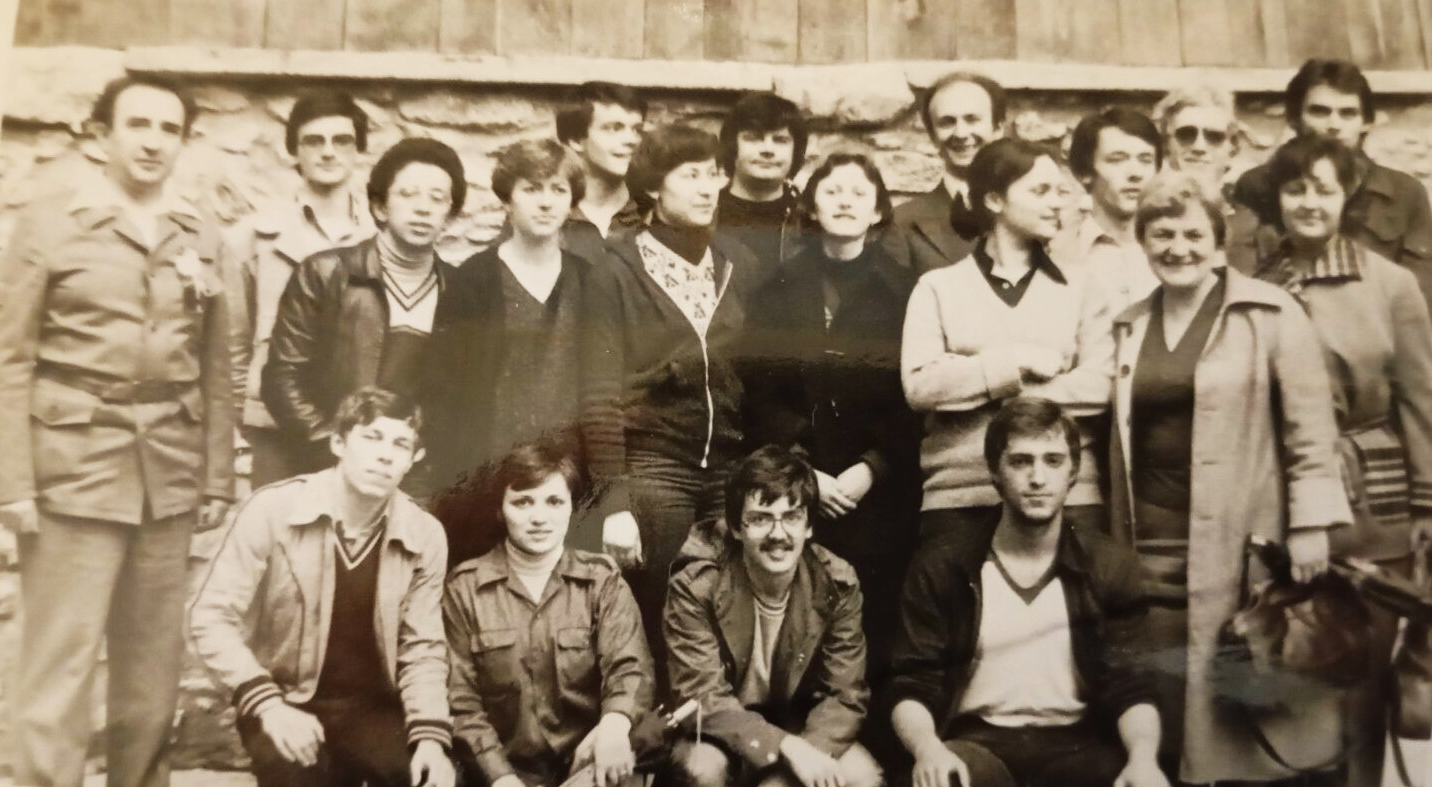
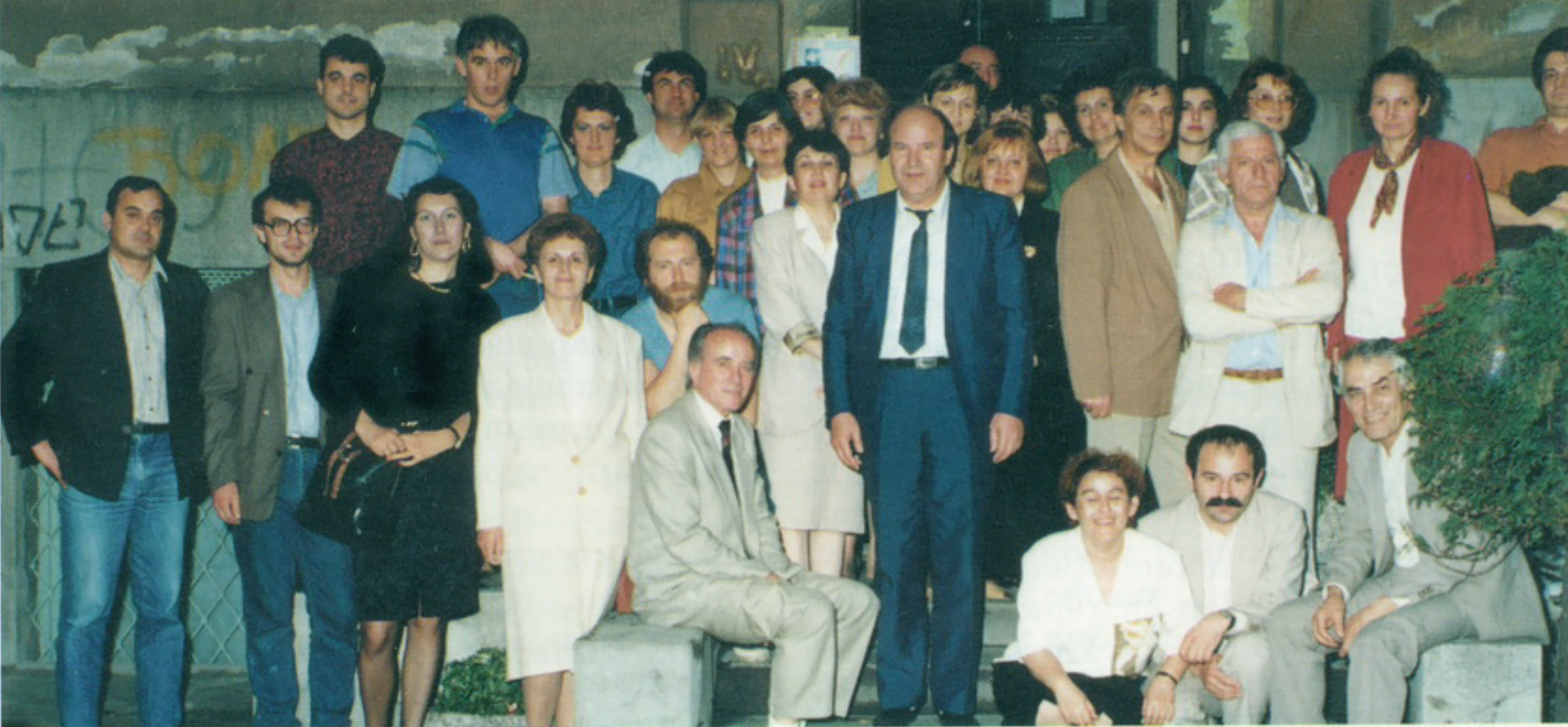
    Mathematical Grammar School staff, 1991
    Mathematical Grammar School staff, 1991
  5. 1994
    Educational model

    Mentor-led teaching is introduced

    The most accomplished students are offered the opportunity to work in small groups within special mentoring classes. This becomes one of Mathematical Grammar School's distinctive approaches to teaching.

    Read more

    Working in groups of four or five allows teachers to follow students' progress more closely, adapt the pace and make room for more complex problems and research. Direct collaboration between students, teachers and scientists is particularly valuable.

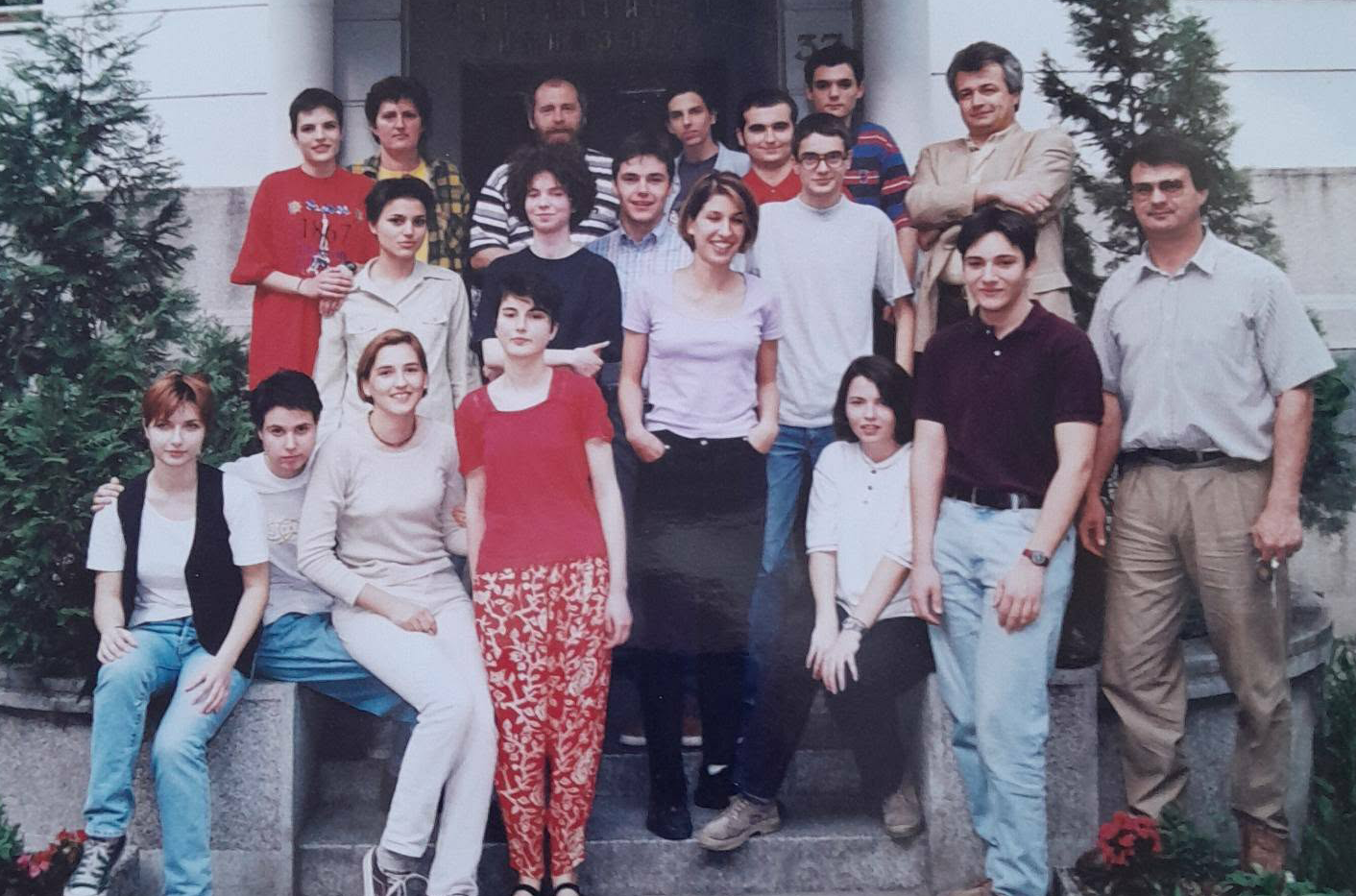
    The first mentoring class at the end of their studies at Mathematical Grammar School
    The first mentoring class at the end of their studies at Mathematical Grammar School
  6. 1996
    Recognition

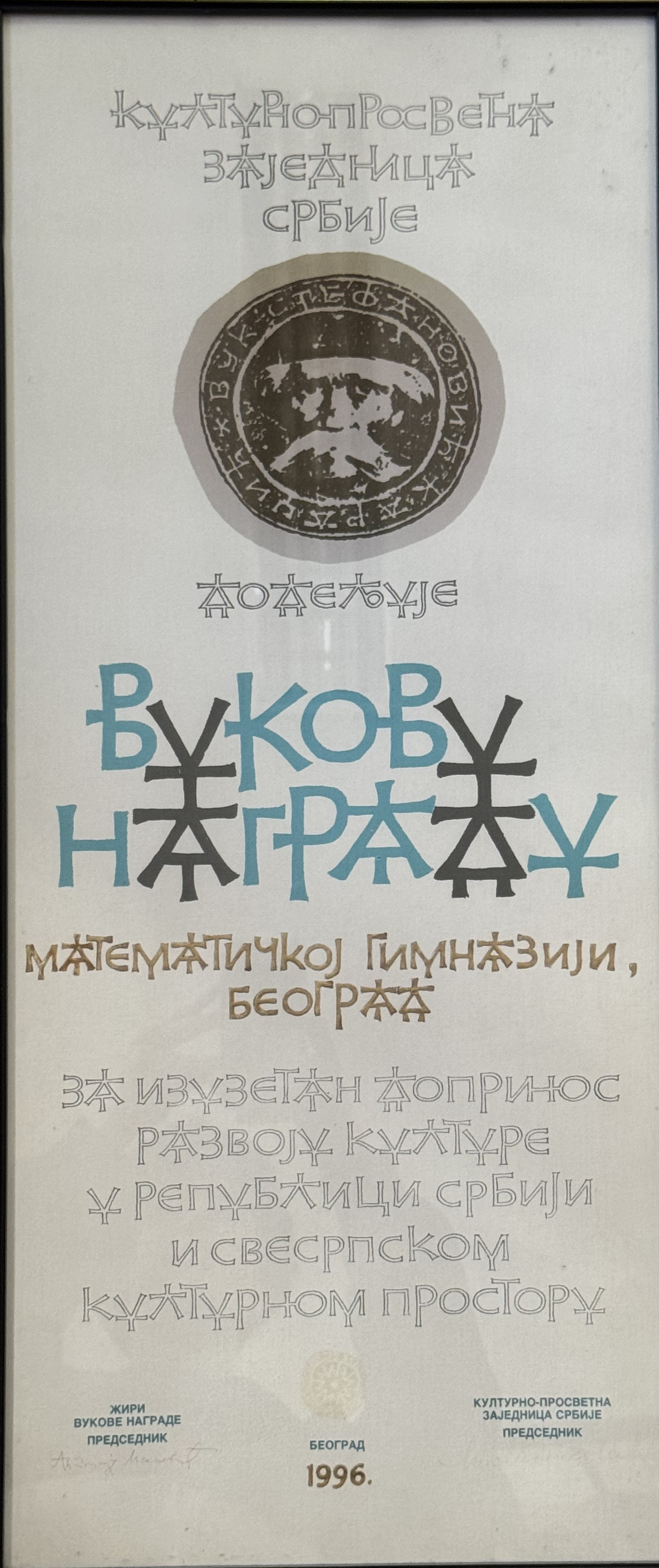
    The Vuk Award

    Mathematical Grammar School receives the Vuk Award for outstanding achievements in education.

    The Vuk Award certificate presented to Mathematical Grammar School
    The Vuk Award certificate presented to Mathematical Grammar School
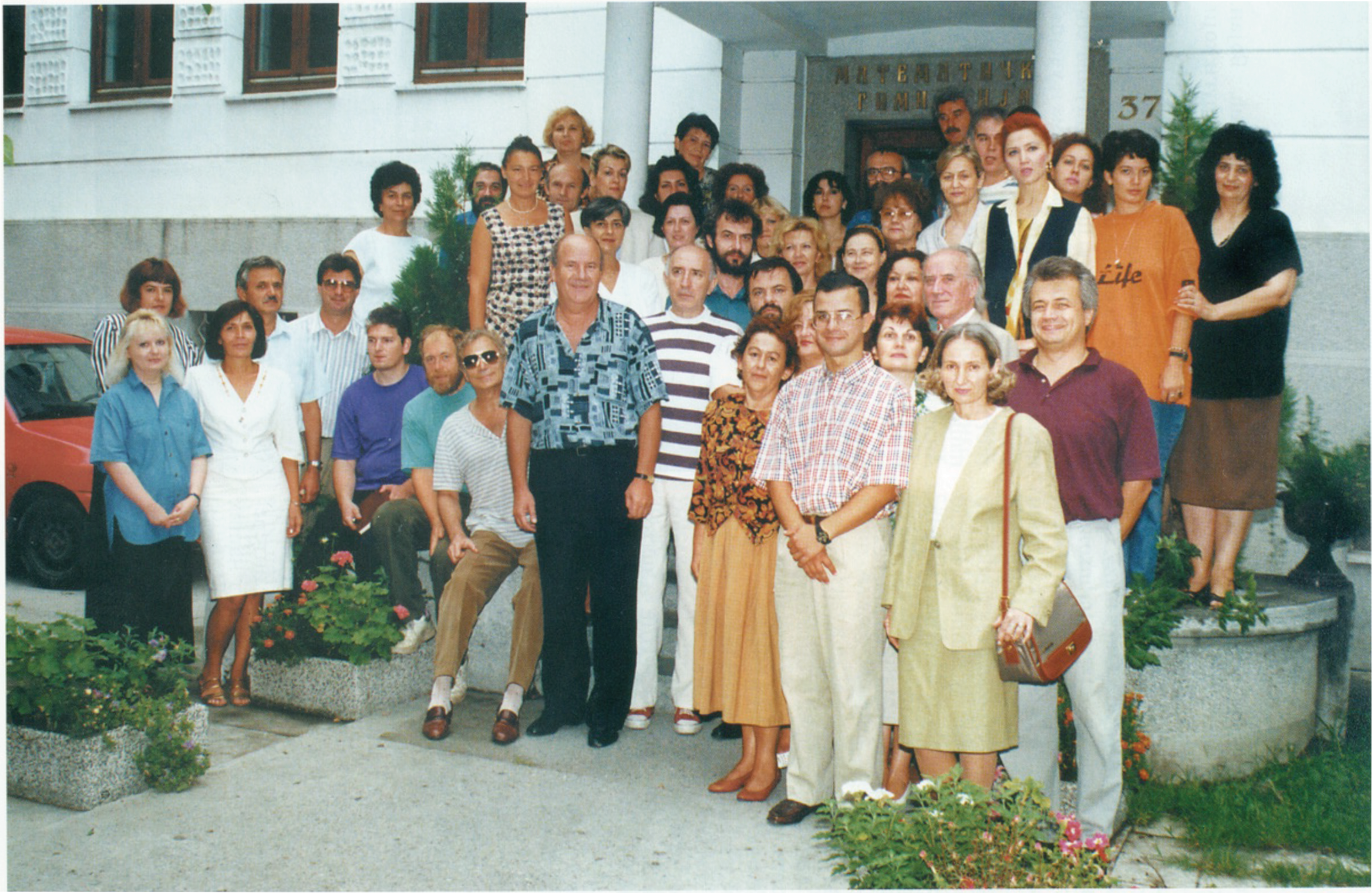
    Mathematical Grammar School staff, 1996
    Mathematical Grammar School staff, 1996
  7. 1999
    Remembrance

    A year of grief and perseverance

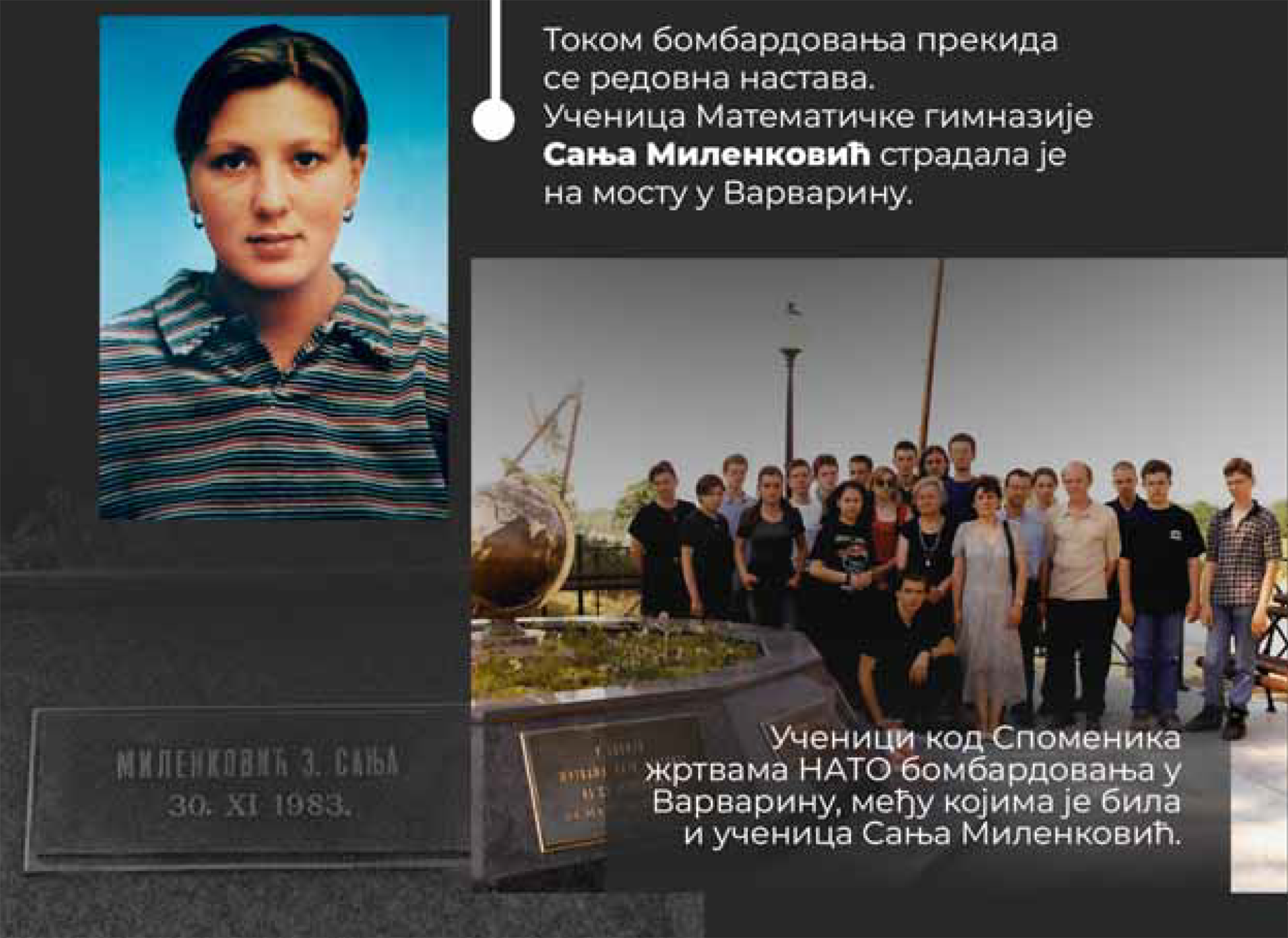
    During the NATO bombing, on 30 May, on the bridge in Varvarin, Sanja Milenkovic, a first-year student at Mathematical Grammar School, lost her life. The school keeps her memory alive.

    Remembering Sanja Milenkovic
    Remembering Sanja Milenkovic
    Read more

    Regular lessons were suspended during the bombing, but preparation for competitions and further education continued as far as circumstances allowed.

    Although regular lessons could not take place, work at the school continued intensively. Between air-raid sirens, students prepared for competitions and entrance examinations. Results followed. At the Physics Olympiad in Italy, our students won three medals, including one gold. Nenad Vukmirovic won that first physics gold medal for the school. The mathematics team was even more successful, winning six medals at the Olympiad in Romania. Among them was Dusan Djukic's gold — the school's first in mathematics for 25 years.

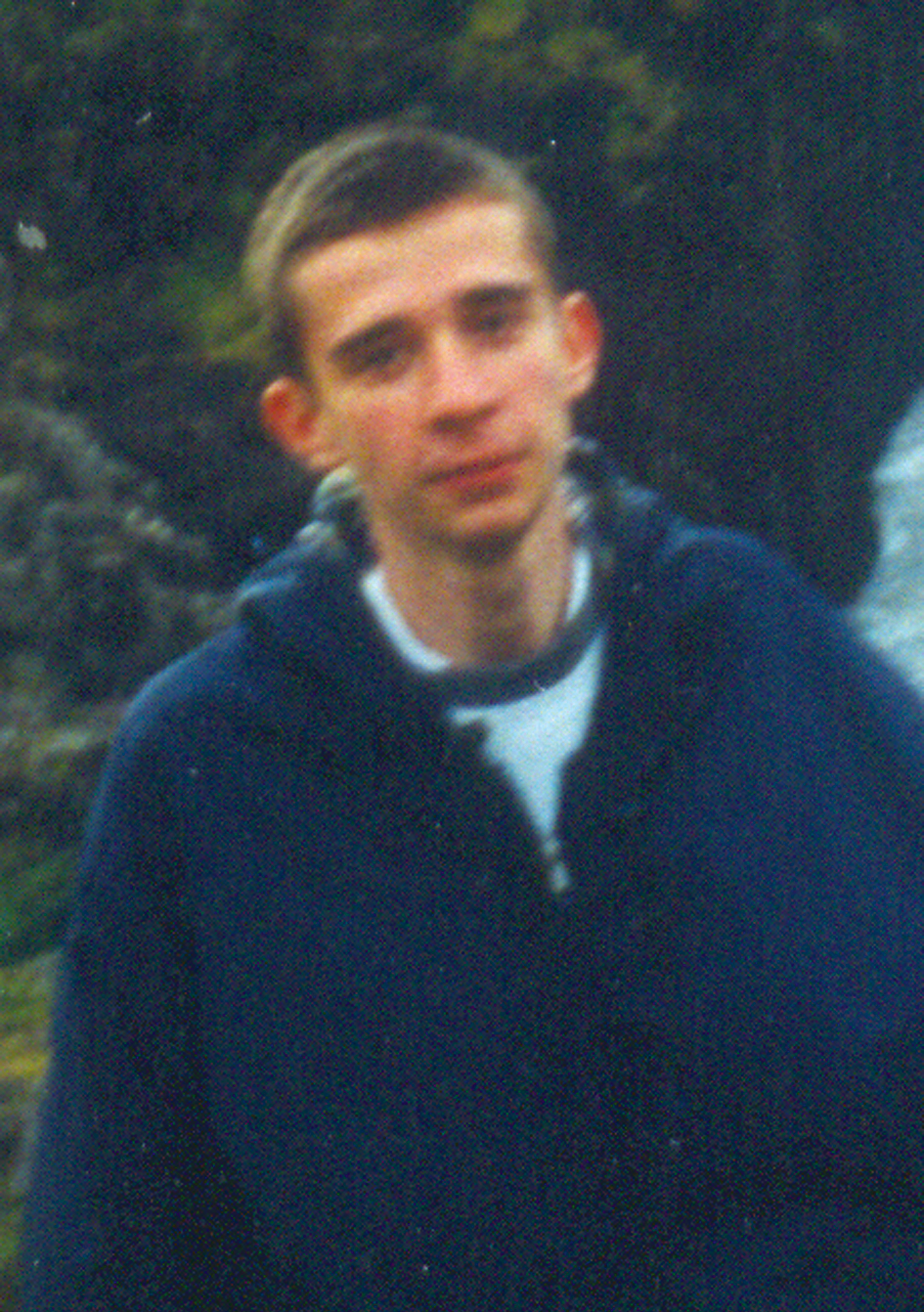
    Nenad Vukmirovic — the school's first Physics Olympiad gold medal, 1999
    Nenad Vukmirovic — the school's first Physics Olympiad gold medal, 1999
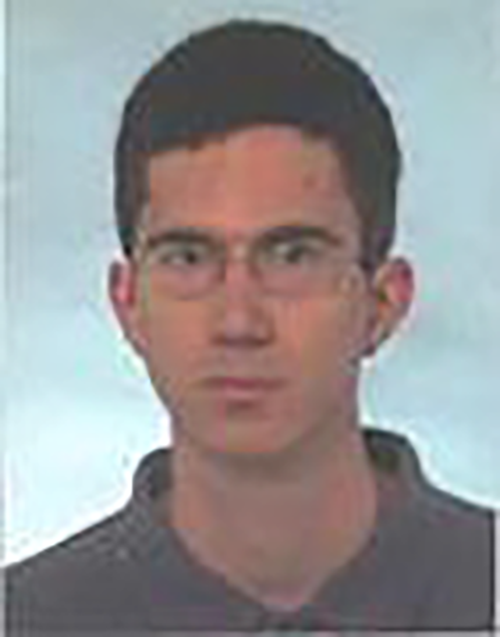
    Dusan Djukic — Mathematical Olympiad gold medal, 1999
    Dusan Djukic — Mathematical Olympiad gold medal, 1999
2001–2018

New generations, a wider community

The school welcomes younger students, renovates its premises and strengthens its connections with former students.

  1. 2001
    Leadership

    The next chapter of development

    Following Milan Raspopovic's retirement, Dr Ljubomir Protic, a professor at the Faculty of Mathematics and a long-standing associate of the school, takes over as director.

    Read more

    During this period, the idea develops of extending Mathematical Grammar School's specialised education to gifted students in the final years of primary school.

  2. 2003
    Astronomy

    The first Astronomy Olympiad medal

    Mihailo Cubrovic brings the school its first medal at the International Astronomy Olympiad — a bronze.

  3. 2003
    Visits to the school

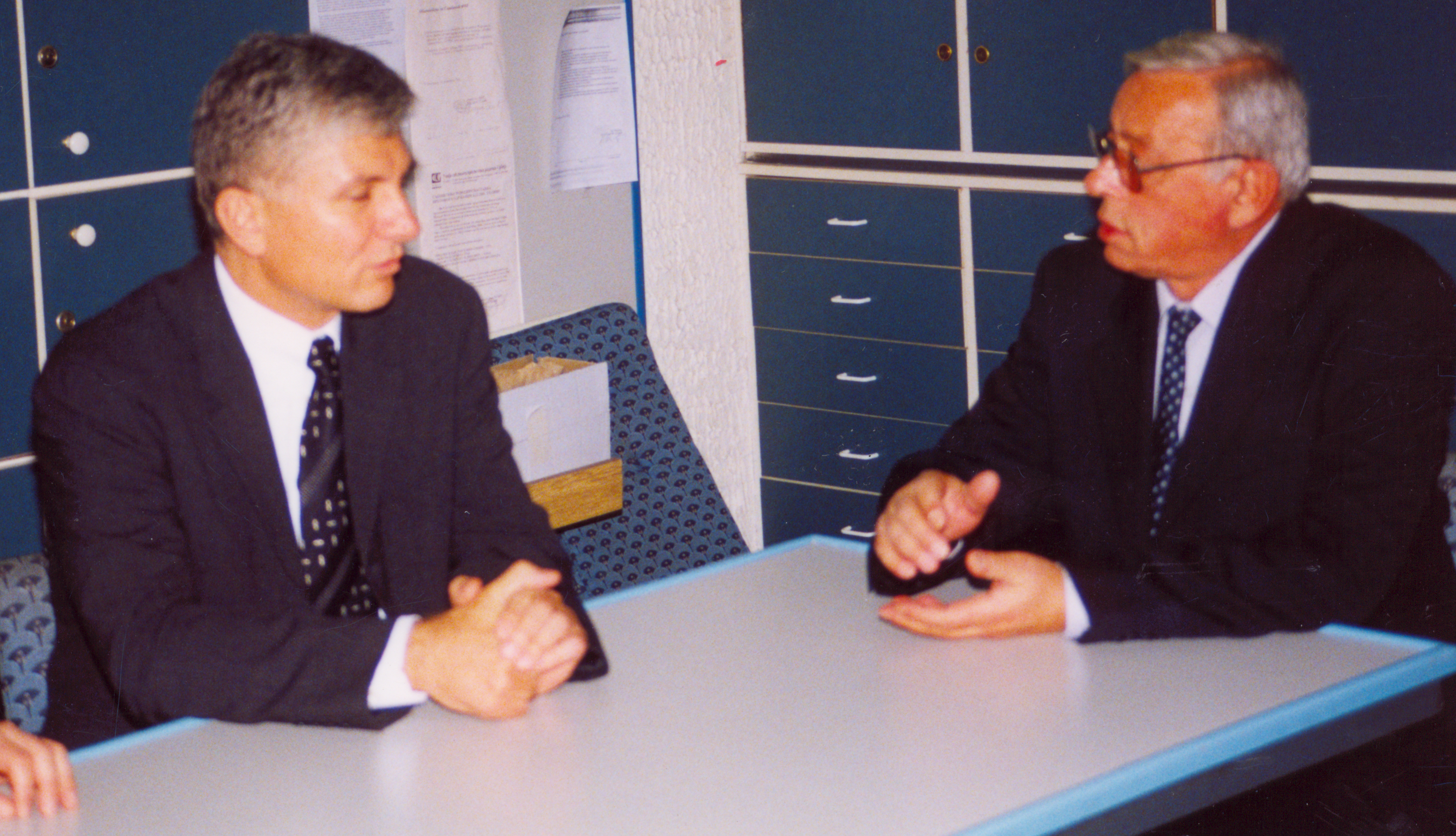
    Prime Minister Zoran Djindjic visits

    Prime Minister Zoran Djindjic's visit to Mathematical Grammar School, 2003
    Prime Minister Zoran Djindjic's visit to Mathematical Grammar School, 2003
  4. 2004/05
    Primary education

    The first seventh-grade students arrive

    Two pilot seventh-grade classes open at Mathematical Grammar School. Students receive additional teaching in mathematics, physics and computer science.

    Read more

    In spring 2004, Dr Vladimir Dragovic, a former student and teacher at the school, becomes acting director. The arrival of seventh-grade students marks an important step: work with gifted students begins earlier, with the support of teachers, psychologists and parents. The seventh- and eighth-grade classes later move from pilot status into the regular education system.

    The first cohort of primary-school students at Mathematical Grammar School
    The first primary-school cohort at Mathematical Grammar School
  5. 2005
    Visits to the school

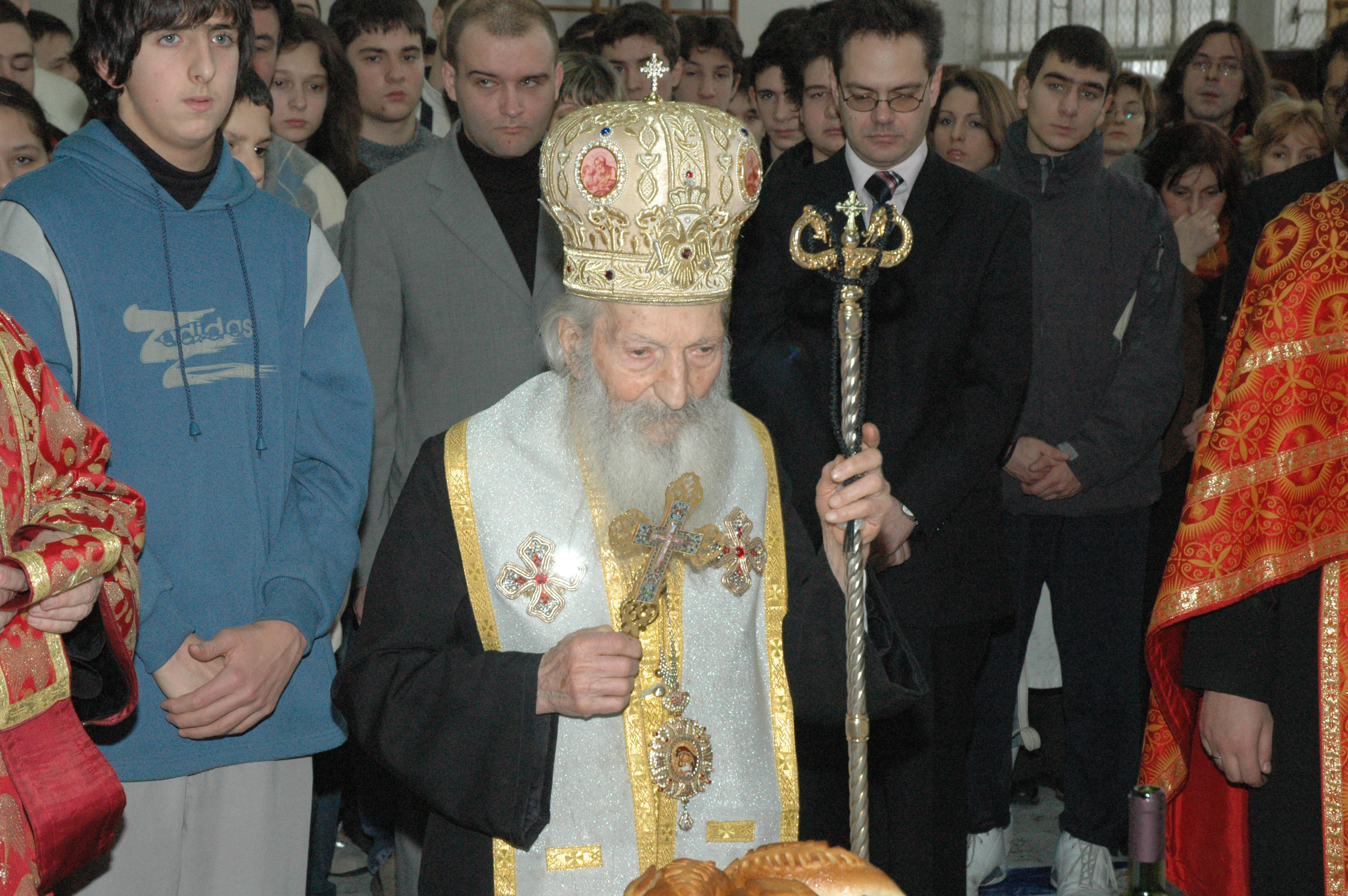
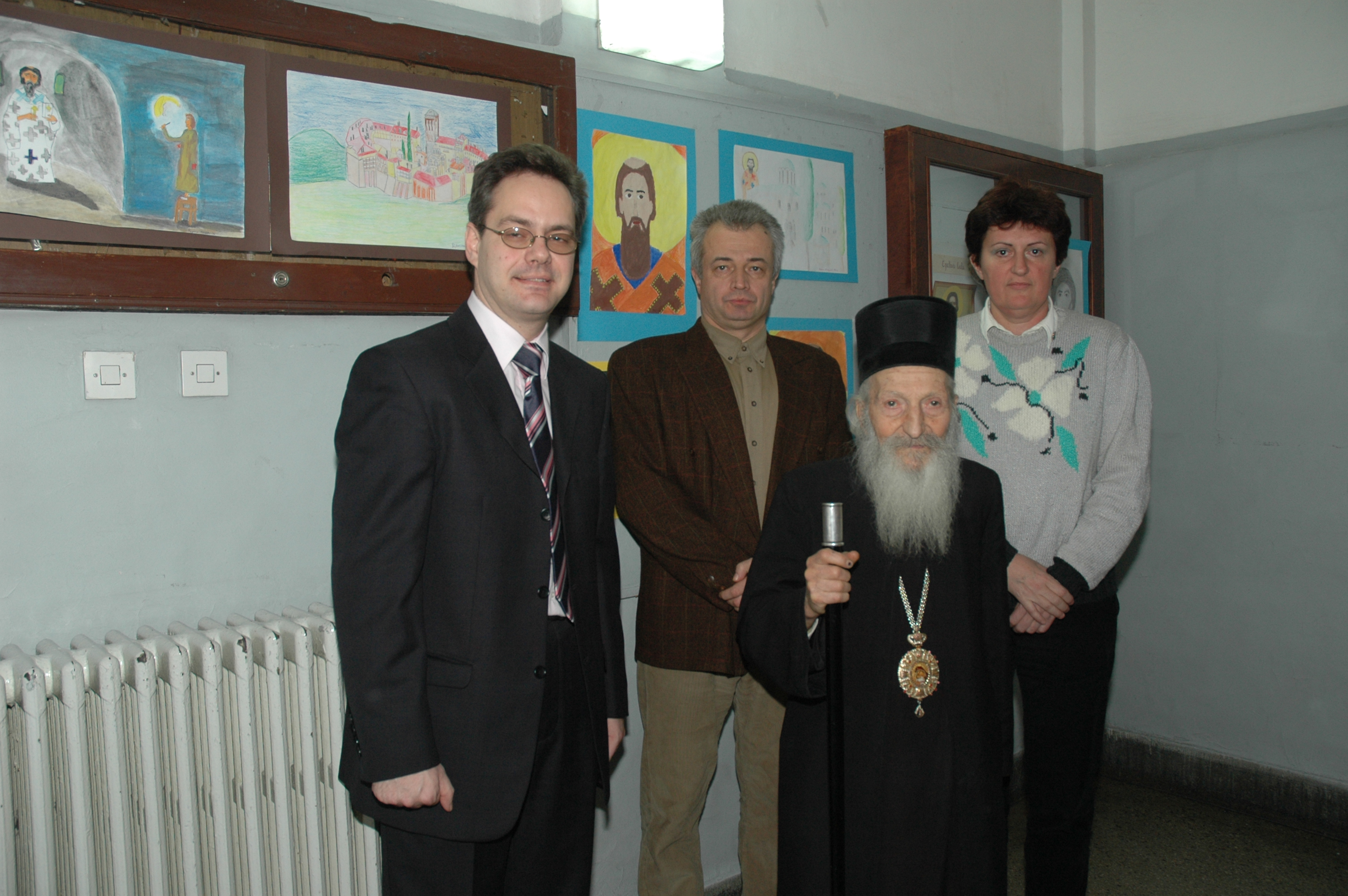
    Patriarch Pavle visits

    Patriarch Pavle's visit to Mathematical Grammar School, 2005
    Patriarch Pavle's visit to Mathematical Grammar School, 2005
    Patriarch Pavle visits
    Patriarch Pavle visits
  6. 2006
    Astronomy

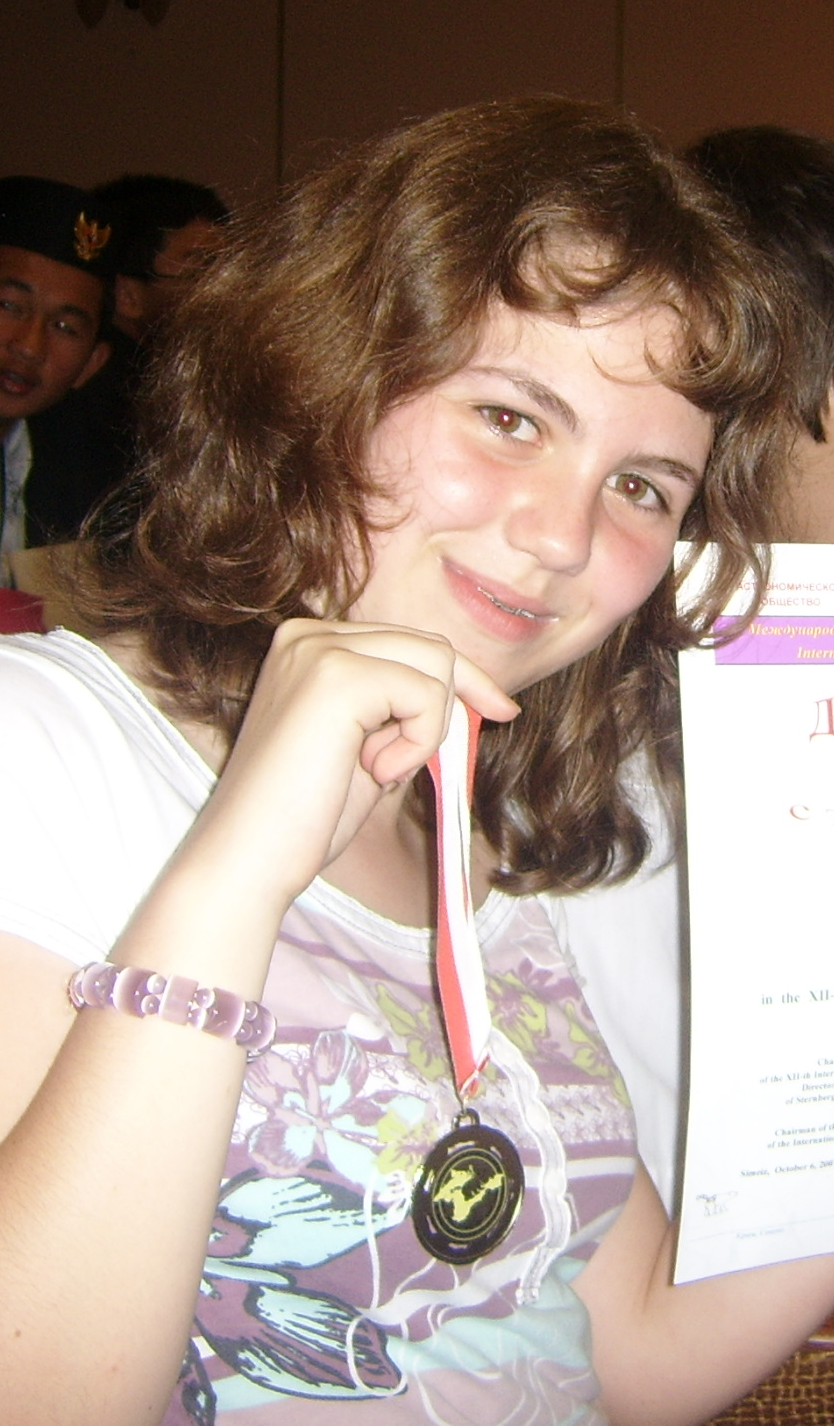
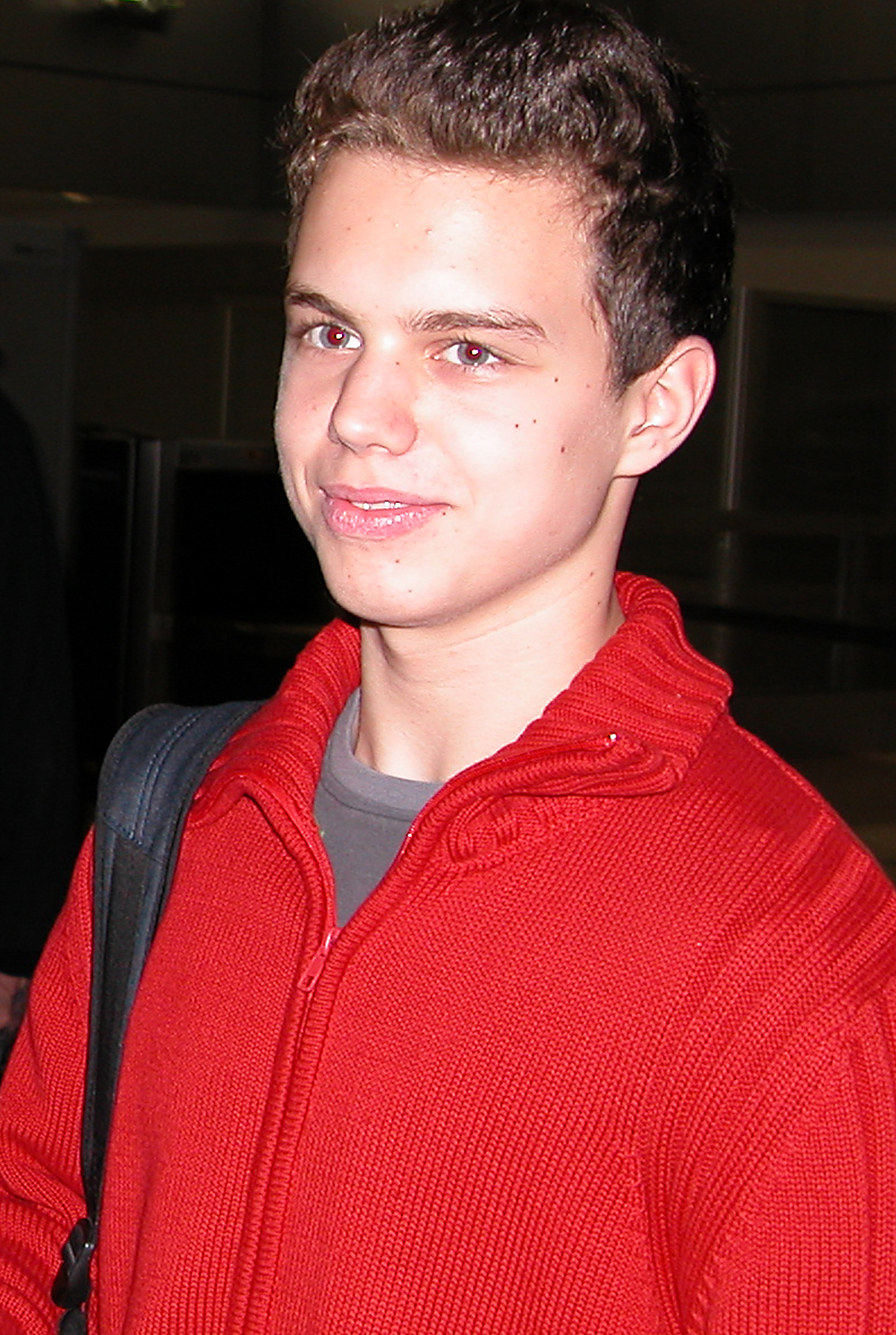
    The first astronomy gold medals

    Natasa Dragovic and Luka Milicevic win the school's first gold medals at the International Astronomy Olympiad. The school also celebrates its fortieth anniversary that year.

    Natasa Dragovic — Astronomy Olympiad gold medal, 2006
    Natasa Dragovic — Astronomy Olympiad gold medal, 2006
    Luka Milicevic — Astronomy Olympiad gold medal, 2006
    Luka Milicevic — Astronomy Olympiad gold medal, 2006
    Staff in the fortieth anniversary year
    Mathematical Grammar School staff, 2006
    Mathematical Grammar School staff, 2006
  7. 2007
    Awards

    Recognition of the school's special role

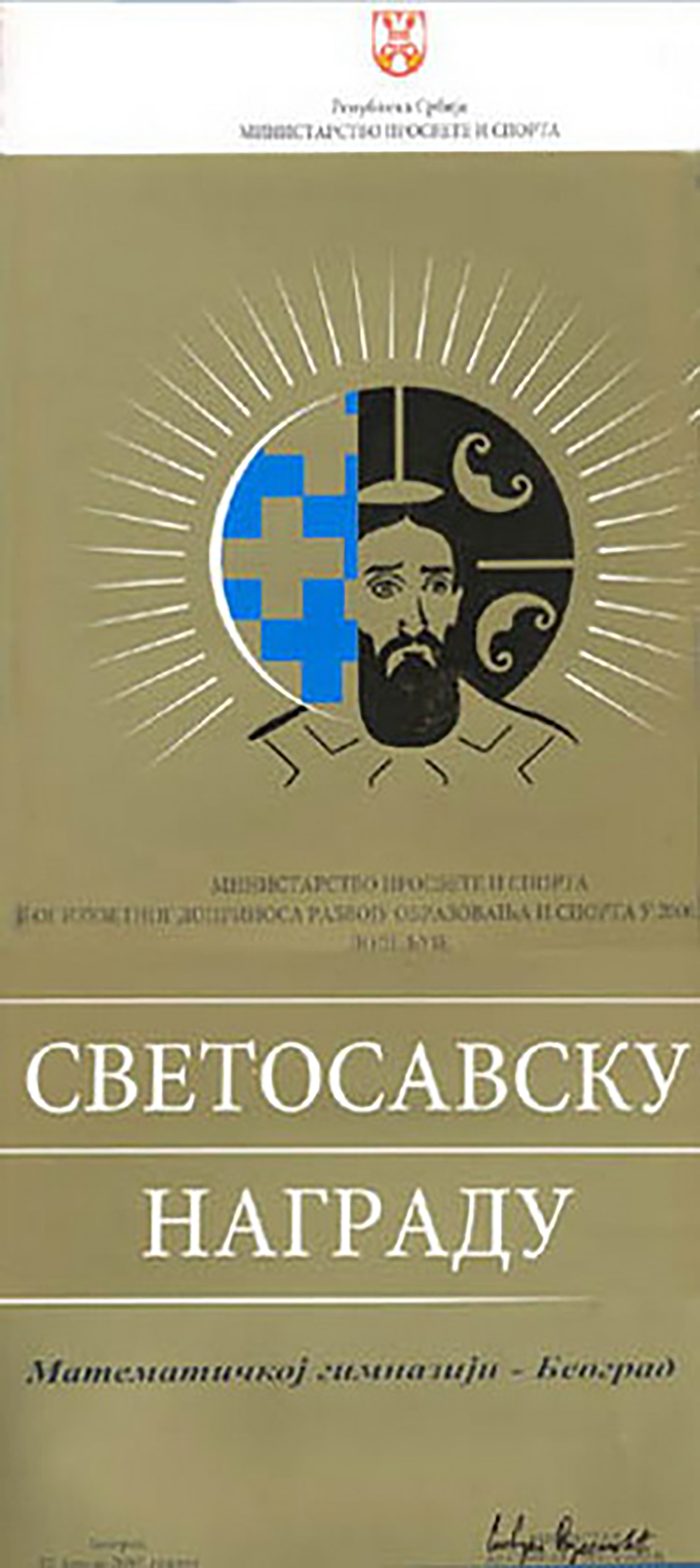
    Mathematical Grammar School receives the Saint Sava Award. By a decision of the Government of the Republic of Serbia on 10 May, it is declared a school of special national interest.

    The Saint Sava Award presented to Mathematical Grammar School, 2007
    The Saint Sava Award presented to Mathematical Grammar School, 2007
  8. 2008–2010
    Premises

    Renovating the building and adding a third floor

    Srdjan Ognjanovic, MSc, is appointed director in 2008. Renovation of the building and the addition of a third floor follow, while the school temporarily relocates to Vracar.

    Read more

    From the 2009/10 school year, students and teachers are back in the building in Kraljice Natalije Street. The renovated premises allow regular lessons to take place in the morning, with mentoring sessions, clubs, competition preparation and other activities in the afternoon.

    Renovation of the Mathematical Grammar School building
    Renovation of the Mathematical Grammar School building
    Mathematical Grammar School after renovation
    Mathematical Grammar School after renovation
  9. 2010
    Education

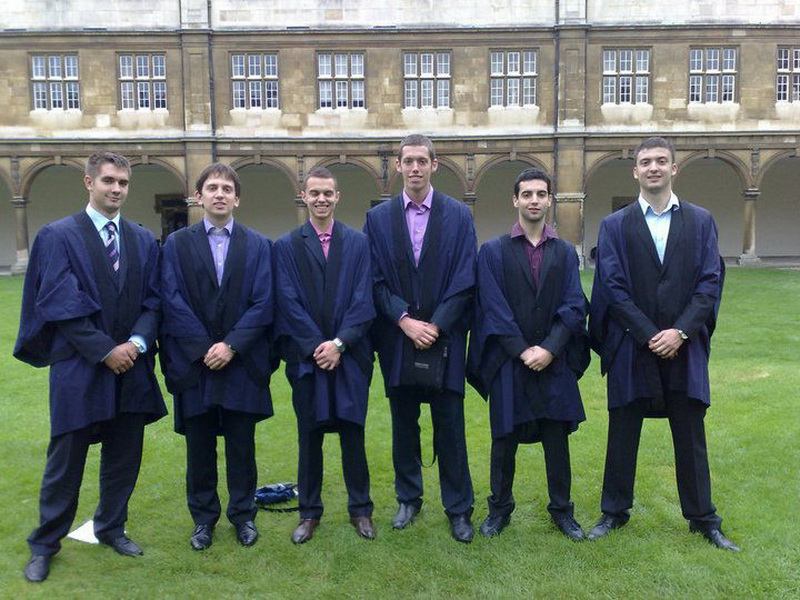
    A class heading to Cambridge together

    Students from class IVd gain admission to Cambridge together. They had also belonged to Mathematical Grammar School's first cohort of seventh-grade students.

    Read more

    Luka Milicevic, Nikola Mrksic, Aleksandar Vasiljkovic, Mihajlo Cekic, Dusan Perovic, Ognjen Ivkovic and Dusan Milijancevic passed the entrance examination for Trinity College, University of Cambridge, and received full scholarships. Dusan Milijancevic ultimately chose a different path and went to MIT. The others continued to Cambridge.

    That same year, Aleksandar Vasiljkovic wins the school's first gold medal at the International Olympiad on Astronomy and Astrophysics.

    Mathematical Grammar School students who gained admission to Cambridge together in 2010
    Mathematical Grammar School students who gained admission to Cambridge together in 2010
    Aleksandar Vasiljkovic — the school's first Astronomy and Astrophysics Olympiad gold medal, 2010
    Aleksandar Vasiljkovic — the school's first Astronomy and Astrophysics Olympiad gold medal, 2010
  10. 2011
    Alumni

    ALMAGI is founded

    The Alumni Association of Mathematical Grammar School (ALMAGI) and the ALMAGI Foundation are established. The bond between former students and the school gains new forms of cooperation and support.

    Read more

    Former students contribute to competition preparation, teaching, mentoring and fundraising. Community support helps fund travel to competitions, equipment and the development of new programmes.

  11. 2012
    Mathematics

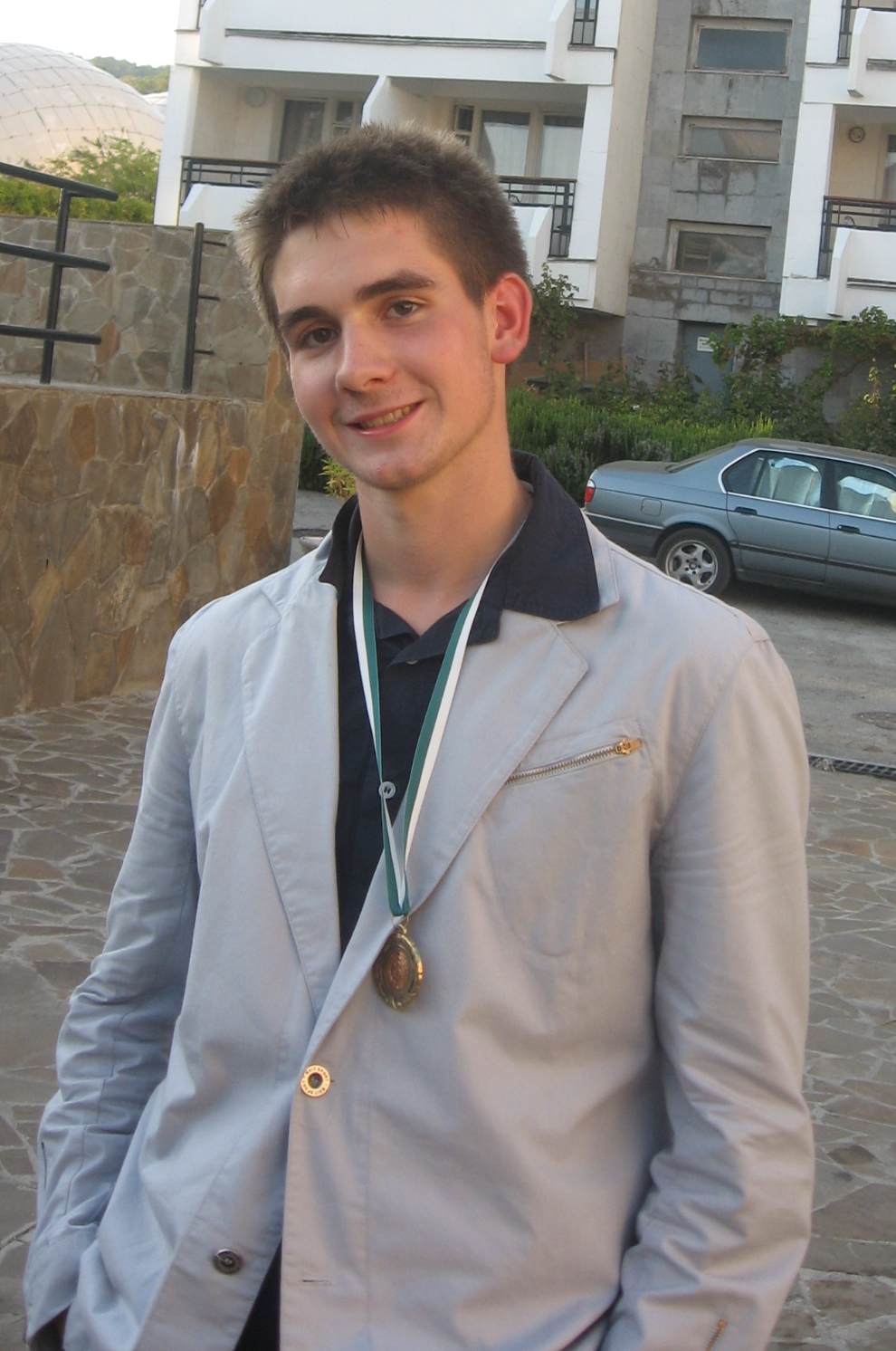
    Teodor von Burg — four gold medals in a row

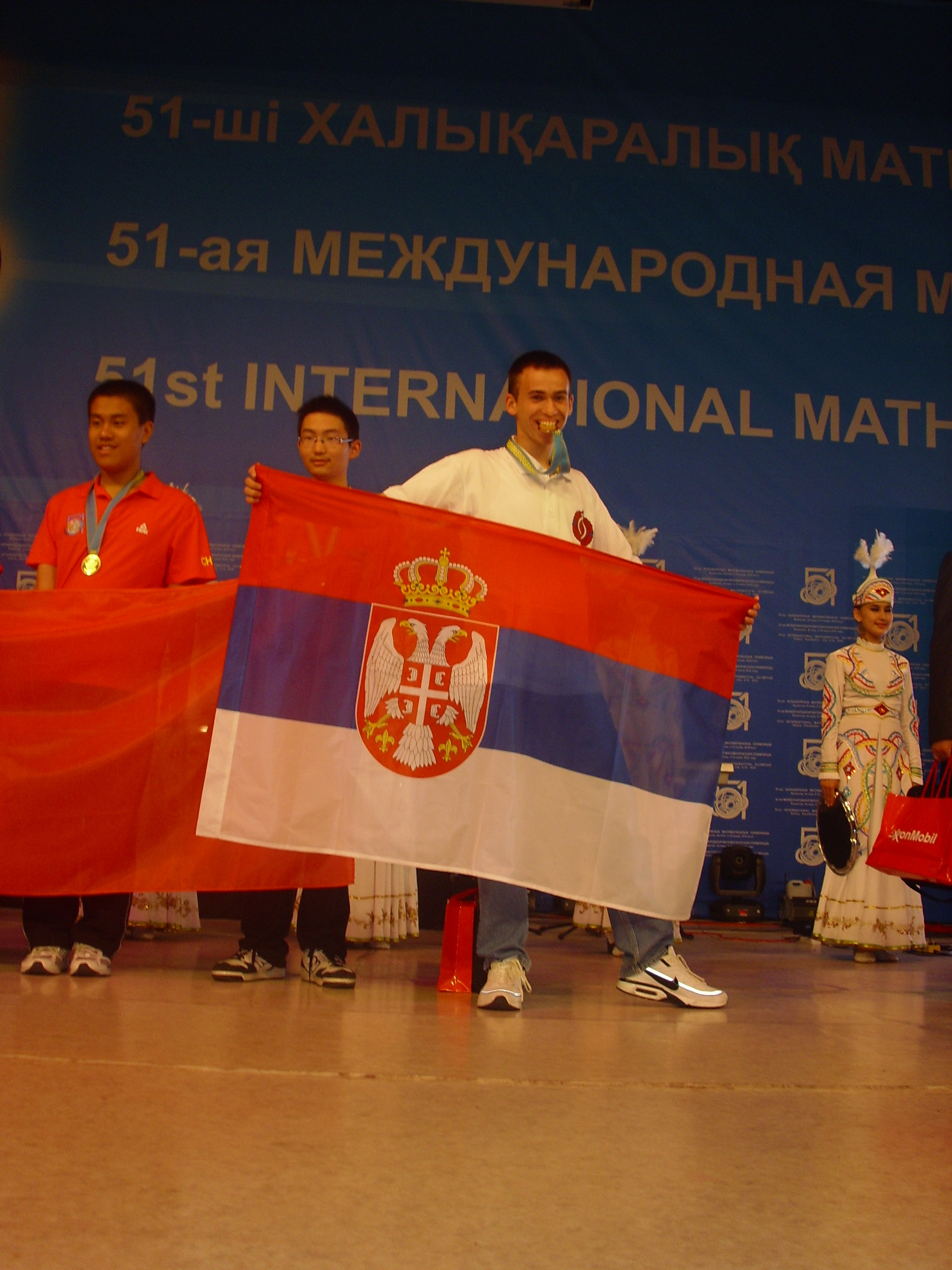
    Teodor von Burg wins his fourth consecutive gold medal at the International Mathematical Olympiad. His gold medals from 2009, 2010, 2011 and 2012 follow a bronze in 2007 and a silver in 2008, both won while he was still a primary-school student.

    Read more

    He competes six times and wins a medal on every occasion. In 2012, this exceptional record takes him to first place in the International Mathematical Olympiad Hall of Fame, making him the most successful contestant in the competition's history up to that point.

    According to the Hall of Fame rankings in 2026, Teodor ranks third worldwide and remains the only contestant from Serbia with four Olympiad gold medals.

    Teodor von Burg, 2010
    Teodor von Burg, 2010
  12. 2012–2013
    Cooperation

    Encounters across borders

    The Summer Mathematics and Sports Camp is launched in 2012, followed in 2013 by the first Mathematical Grammar School Cup, an international competition for students aged up to 16.

    Read more

    The Cup brings together young mathematicians, physicists and computer scientists from different countries. Alongside the competitions, it offers friendship, an exchange of experiences and the chance to explore Belgrade.

    Mathematical Grammar School Cup
    Mathematical Grammar School Cup
    Meeting at the Mathematical Grammar School Cup
    Medal ceremony at the Mathematical Grammar School Cup
  13. 2016
    Anniversary

    Half a century of Mathematical Grammar School

    Mathematical Grammar School celebrates its fiftieth anniversary. The anniversary ceremony brings together past and present students, teachers, associates and friends of the school.

    Read more

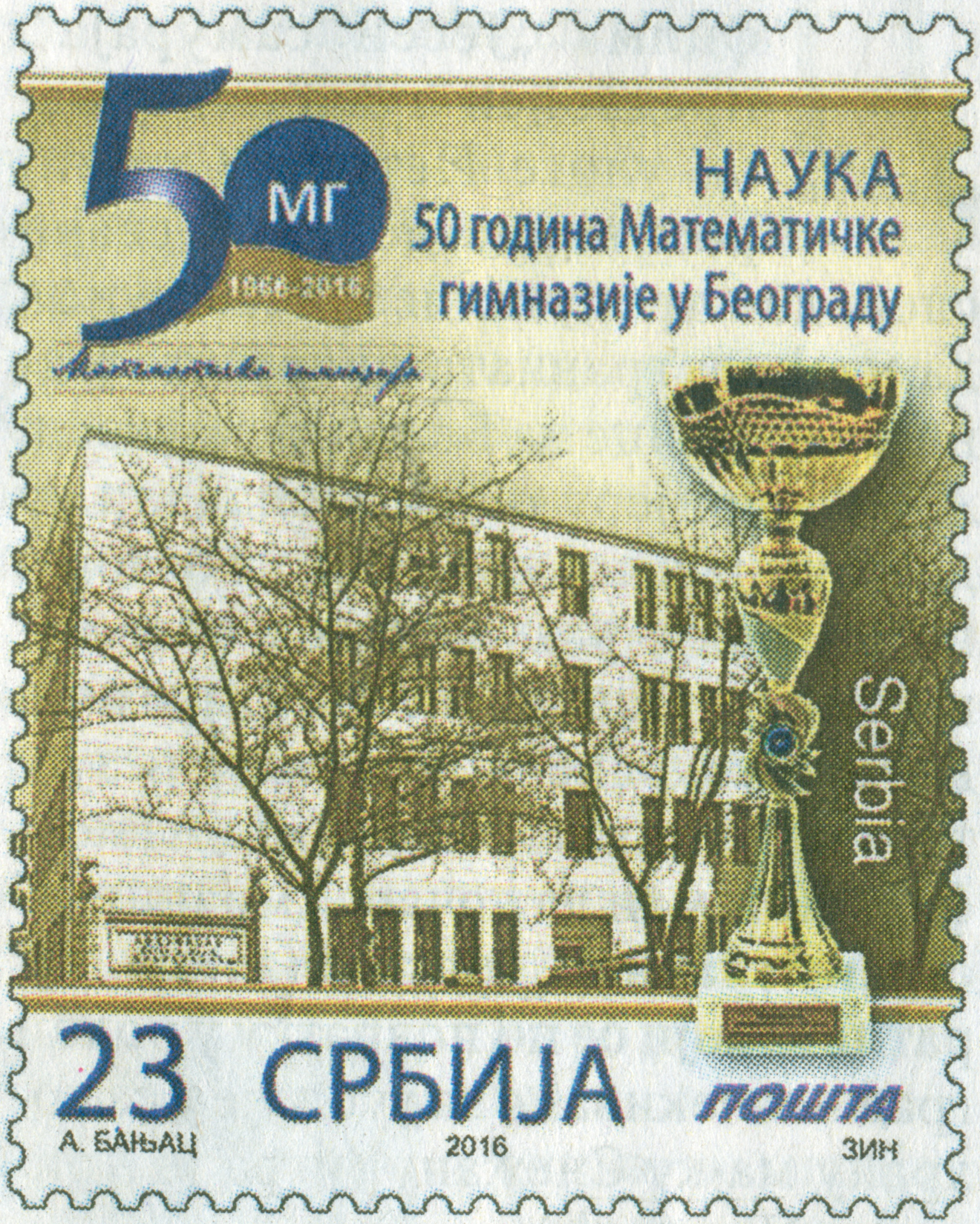
    Post of Serbia also marked Mathematical Grammar School's fiftieth anniversary with a commemorative postage stamp in its Science series. Designed by Anamari Banjac, the stamp has a face value of 23 dinars. It was produced by the Institute for Manufacturing Banknotes and Coins using multicolour offset printing. A commemorative envelope was issued alongside it.

    New competition successes broaden the range of subjects in which students excel: in 2016, Milos Grubor wins the school's first medal at the International Chemistry Olympiad. The anniversary is an opportunity for generations to come together and remember the people who built the school.

    Celebrating fifty years of Mathematical Grammar School, 2016
    Celebrating fifty years of Mathematical Grammar School, 2016
    A postage stamp marking fifty years of Mathematical Grammar School
    A postage stamp marking fifty years of Mathematical Grammar School
    Staff in the fiftieth anniversary year
    Mathematical Grammar School staff, 2016
    Mathematical Grammar School staff, 2016
2019–2026

A tradition that opens doors to the future

In new fields of science and technology, in media, the arts and international cooperation, the same idea continues: talent needs room to grow.

  1. 2019
    Status and recognition

    An institution of special national importance

    The National Assembly of the Republic of Serbia declares Mathematical Grammar School an institution of special national importance. The school is also awarded the Order of Sretenje, Third Class.

    Read more

    Mirjana Katic, a mathematics teacher and former student of the school, takes over as director. The development of teaching, new projects and cooperation with institutions in Serbia and abroad continues.

  2. 2019
    Mathematics

    Gold and the Mirzakhani Award for Jelena Ivancic

    Jelena Ivancic, a third-year student at Mathematical Grammar School, wins a gold medal at the 60th International Mathematical Olympiad with 41 points out of a possible 42.

    Read more

    As the highest-scoring female contestant from Europe at that Olympiad, she also receives the Mirzakhani Award, a special recognition of outstanding achievements by girls at the competition. The award is named after Maryam Mirzakhani, the first woman to receive the Fields Medal.

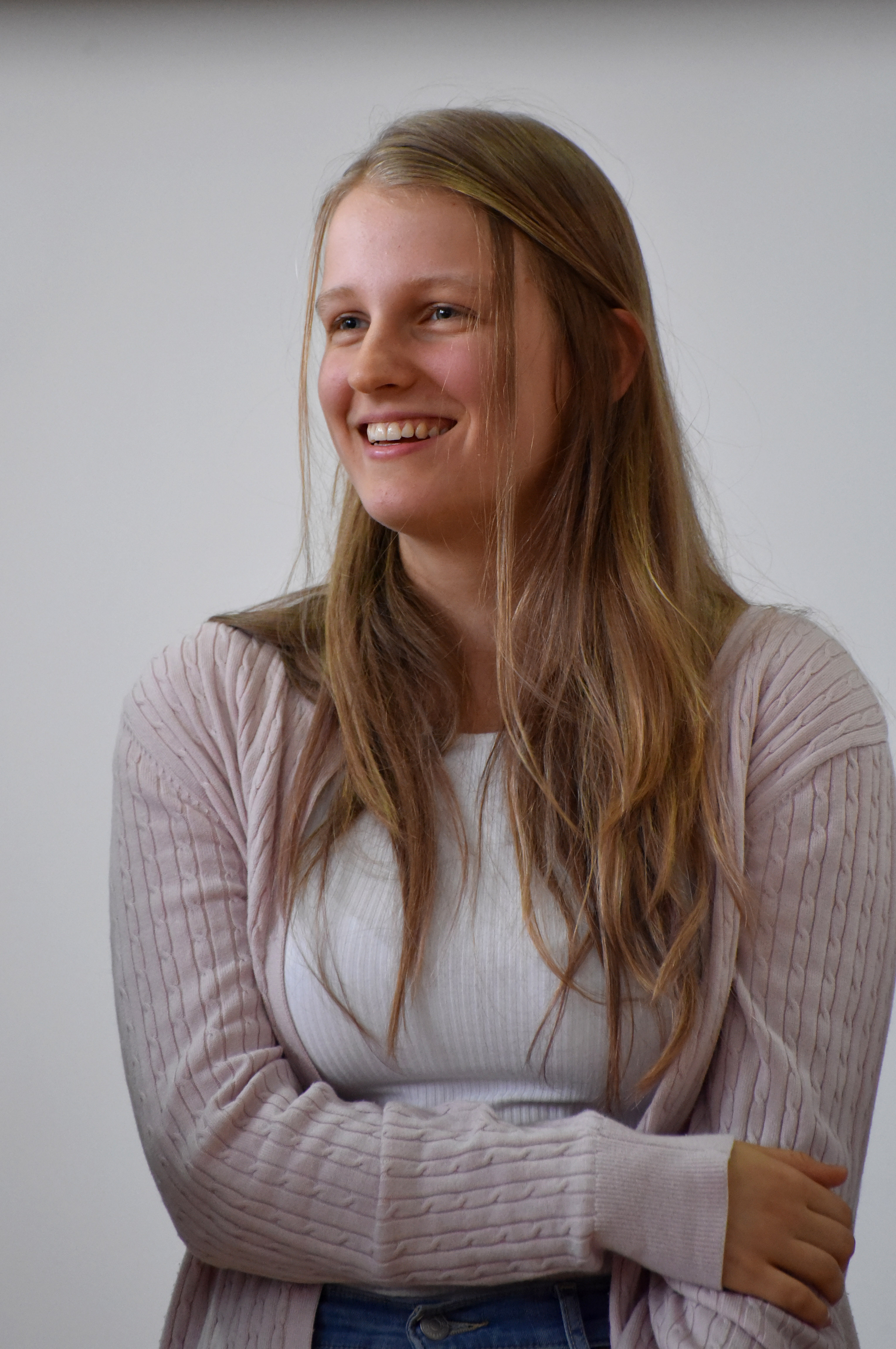
    Jelena Ivancic — Olympiad gold medal and the Mirzakhani Award, 2019
    Jelena Ivancic — Olympiad gold medal and the Mirzakhani Award, 2019
  3. 2021
    Student creativity

    Celebrating 55 years of achievement

    Mathematical Grammar School's 55th anniversary logo1966–2021

    On 19 September 2021, Mathematical Grammar School held its 55th anniversary ceremony at Kombank Hall, celebrating 55 years of achievement.

    Read more

    On this occasion, certificates of appreciation were presented to teachers Natasa Calukovic, Srdjan Ognjanovic and Zoran Kadelburg, each of whom had worked at Mathematical Grammar School for 40 years. Certificates were also presented to institutions and individuals who had made major contributions to the school's development in recent years: the Ministry of Trade, Tourism and Telecommunications; the Ministry of Education, Science and Technological Development; the Microsoft Development Center; Telekom Srbija; Moneta; AB Soft; the Faculty of Mathematics; the Faculty of Electrical Engineering; the Mathematical Institute of the Serbian Academy of Sciences and Arts; the Center for the Promotion of Science; Natalija Sinanovic, an RTS journalist; Aleksandra Drecun, president of the Intersection Center for Science and Innovation; Zoran Stanojevic, an editor in the RTS news department; and Svetlana Jaksic, the school's IT specialist.

    Mathematical Grammar School staff, 2021
    Mathematical Grammar School staff, 2021
  4. 2024
    Science and cooperation

    New fields, new achievements

    Janko Popovic wins the school's first Chemistry Olympiad gold medal, Filip Kilibarda its first gold at the International Junior Science Olympiad, and Mihailo Jancevic its first medal at the International Olympiad in Artificial Intelligence.

    Read more

    International cooperation also includes the Erasmus+ programme, for which the school holds accreditation. Alongside a strong foundation of knowledge, research and the application of modern technologies play an increasingly important role.

    Janko Popovic — Chemistry Olympiad gold medal, 2024
    Janko Popovic — Chemistry Olympiad gold medal, 2024
    Filip Kilibarda — Junior Science Olympiad gold medal, 2024
    Filip Kilibarda — Junior Science Olympiad gold medal, 2024
  5. 2025–2026
    Creativity

    Knowledge finds new forms of expression

    MG TV produces the documentary Remembering Mihajlo Sporic. The school website receives a PC Press Top 50 award in the education and culture category for 2025, presented in 2026.

    Read more

    The film about a former student shows how student creativity can preserve memories and bring a community together. It won two international awards: first prize at the Filic Filmic International Film Festival and the Ljubisa Samardzic Smoki special award at the City Fest International Festival.

    At the same time, projects, clubs and international programmes give students opportunities to connect their knowledge with their own interests.

  6. 2026
    Anniversary

    Sixty years of Mathematical Grammar School

    Mathematical Grammar School's 60th anniversary logo1966–2026

    From the first 55 students to generations contributing to science, education, technology and culture, six decades are connected by a shared idea: nurturing talent, curiosity and independent thinking.

    Read more

    The anniversary brings together students, teachers, alumni and friends of the school. The publication 60 Years in 60 Pages preserves selected moments from that journey, while the anniversary website offers further stories, news and materials.

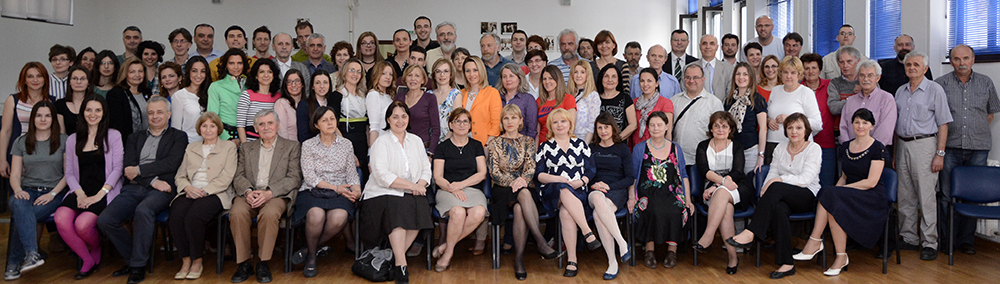
    Mathematical Grammar School staff, 2026
    Mathematical Grammar School staff, 2026
2026 onwards

A new chapter

After the anniversary, the history of Mathematical Grammar School continues through new generations of students, learning, encounters and achievements.

The people at the heart of the school

Behind every milestone are the students, teachers, associates and staff who have invested their knowledge, time and care in Mathematical Grammar School.

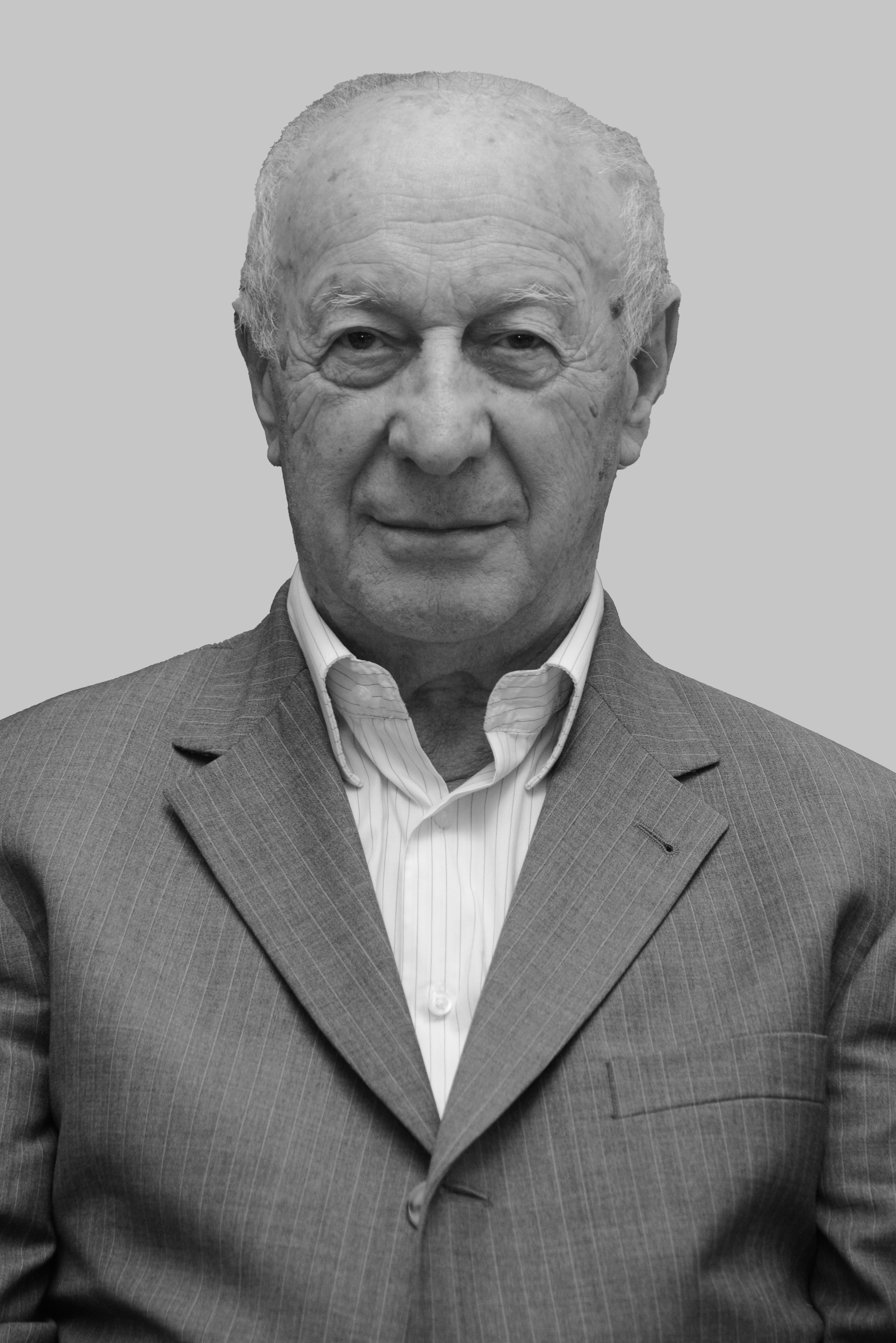
Vojin Dajovic
Vojin DajovicOne of the driving forces behind the founding of the school and an author of its mathematics curriculum.
Milica Ilic-Dajovic
Milica Ilic-DajovicCo-author of the mathematics curriculum and a teacher dedicated to working with young talent.

From the first staff to today's teachers, from students discovering their interests to alumni returning as mentors and friends, the school's history continues through its community.
School directors through the years
  • Ranko Radovanovic1966–1968Ranko Radovanovic, MSc — Acting Director
  • Dusan Adnadjevic1968–1971Professor Dusan Adnadjevic, PhD — Acting Director
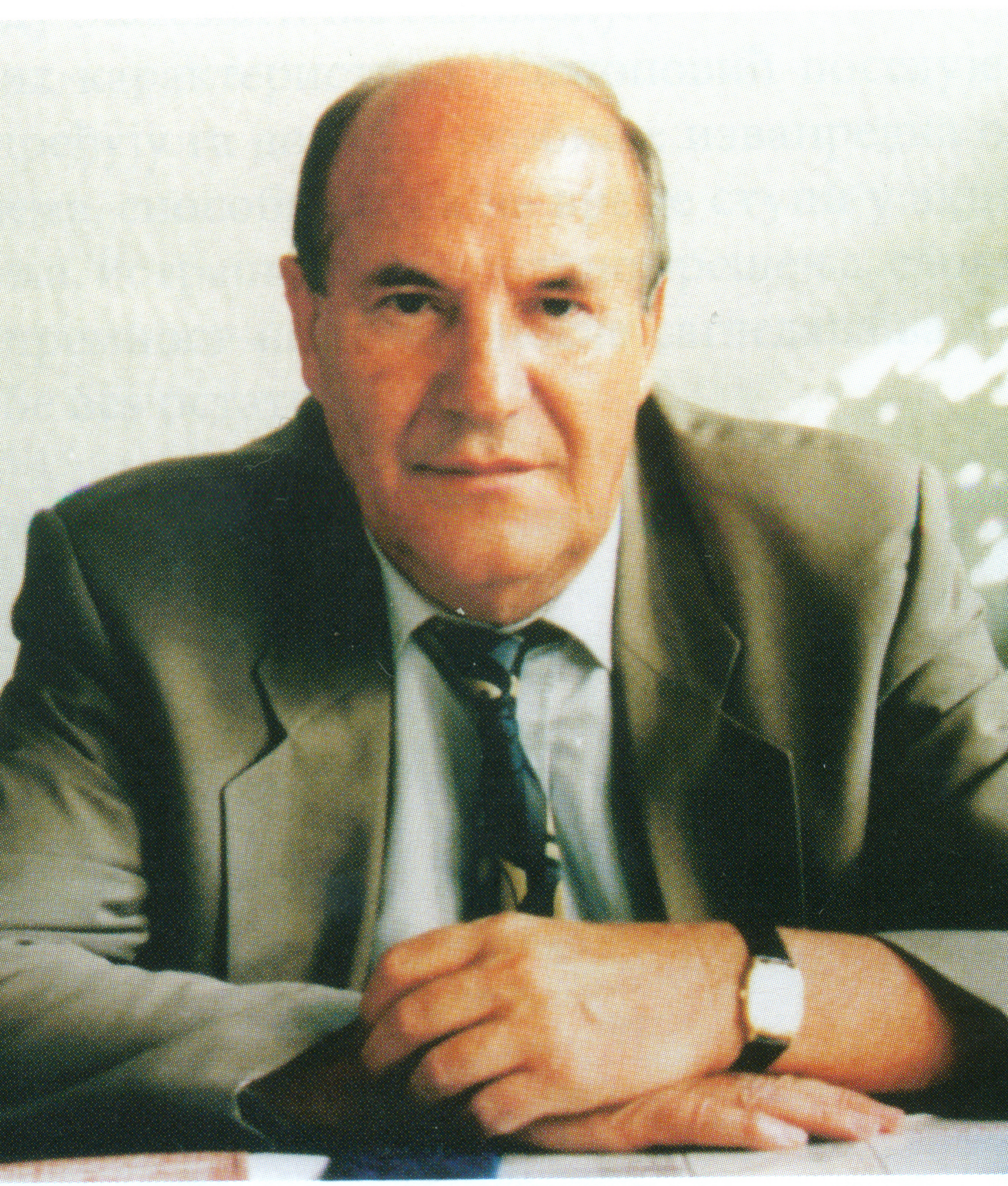
  • Milan Raspopovic1971–2001Milan Raspopovic, MSc
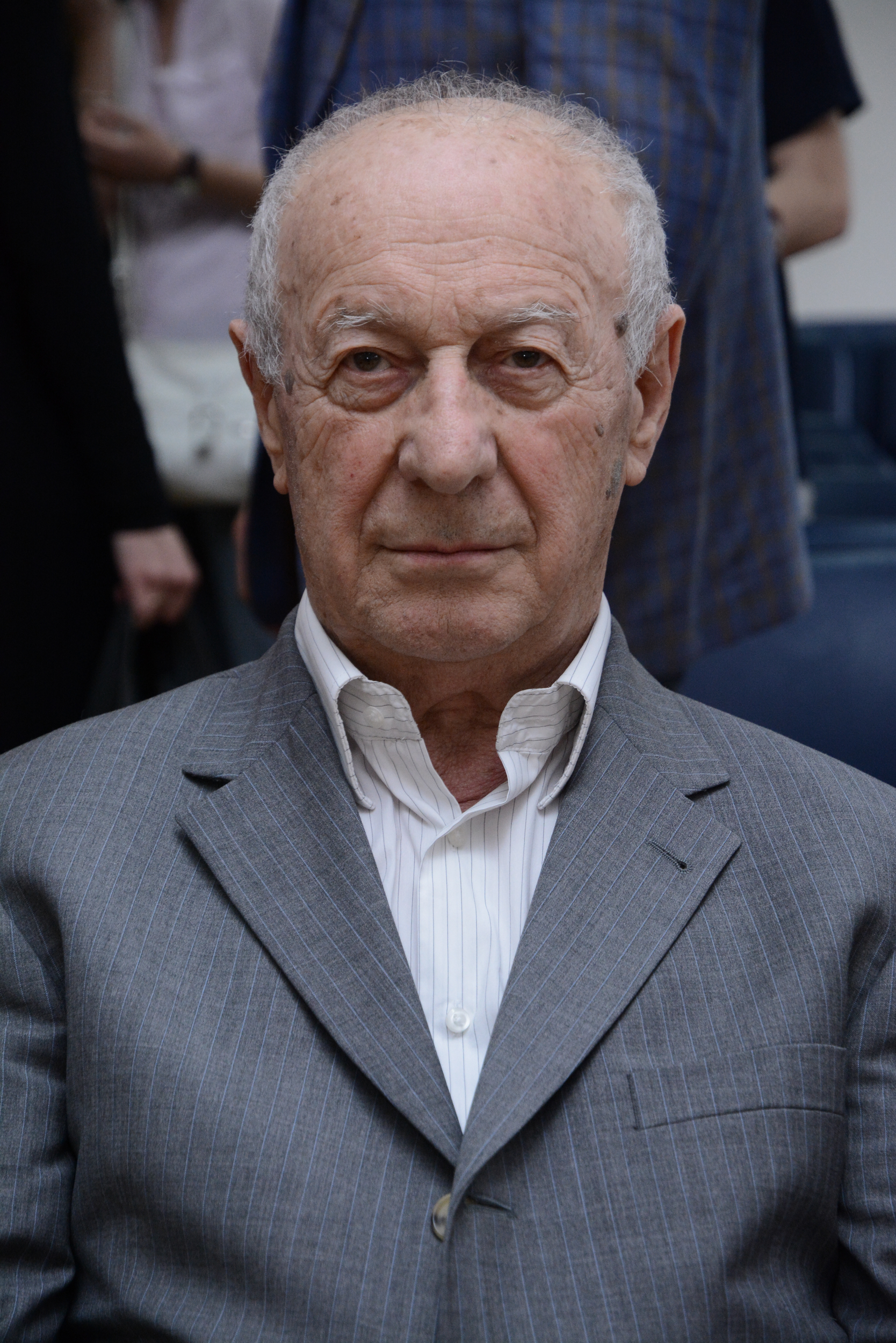
  • Ljubomir Protic2001–2004Dr Ljubomir Protic
  • Vladimir Dragovic2004–2008Dr Vladimir Dragovic
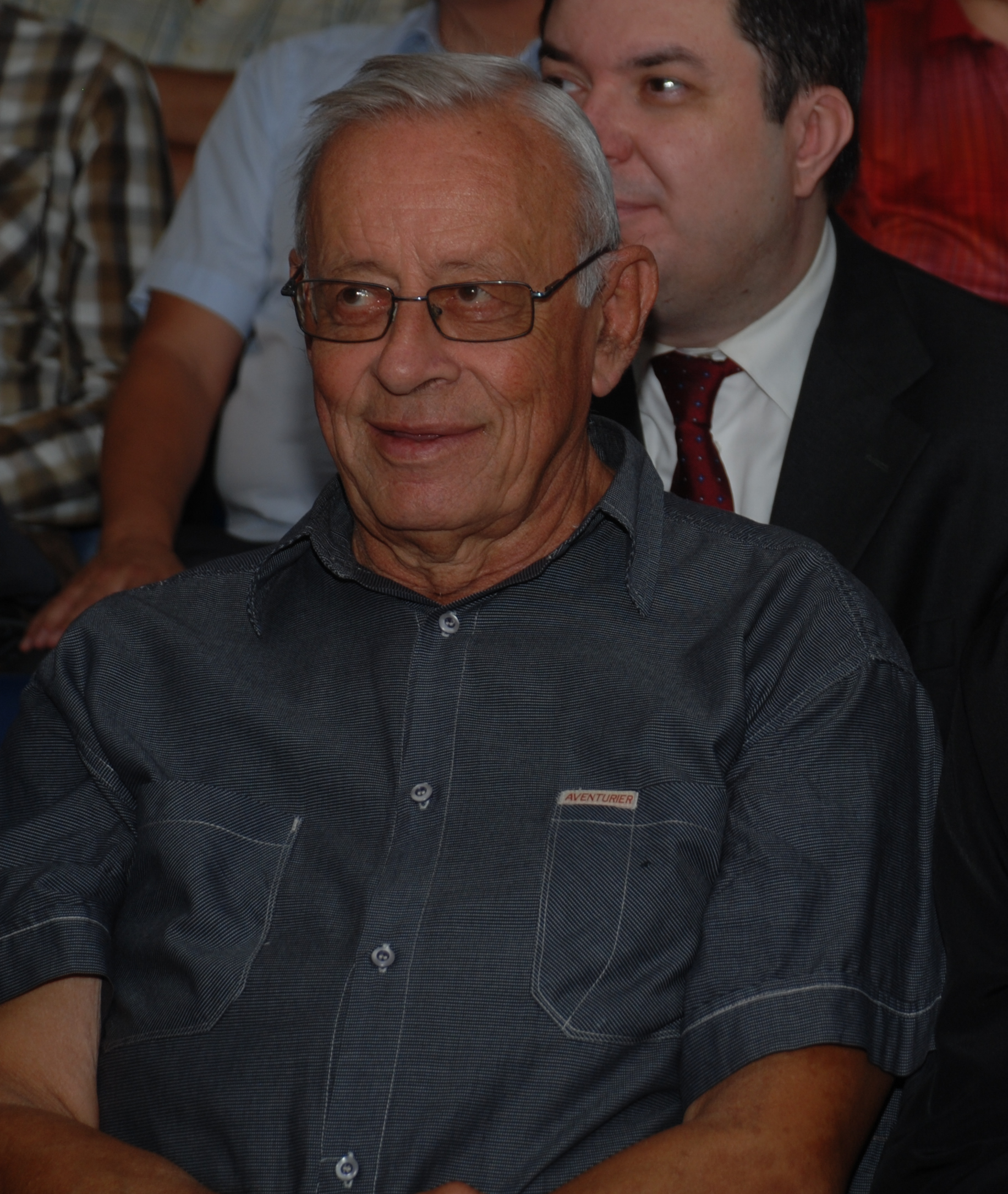
  • Srdjan Ognjanovic2008–2019Srdjan Ognjanovic, MSc
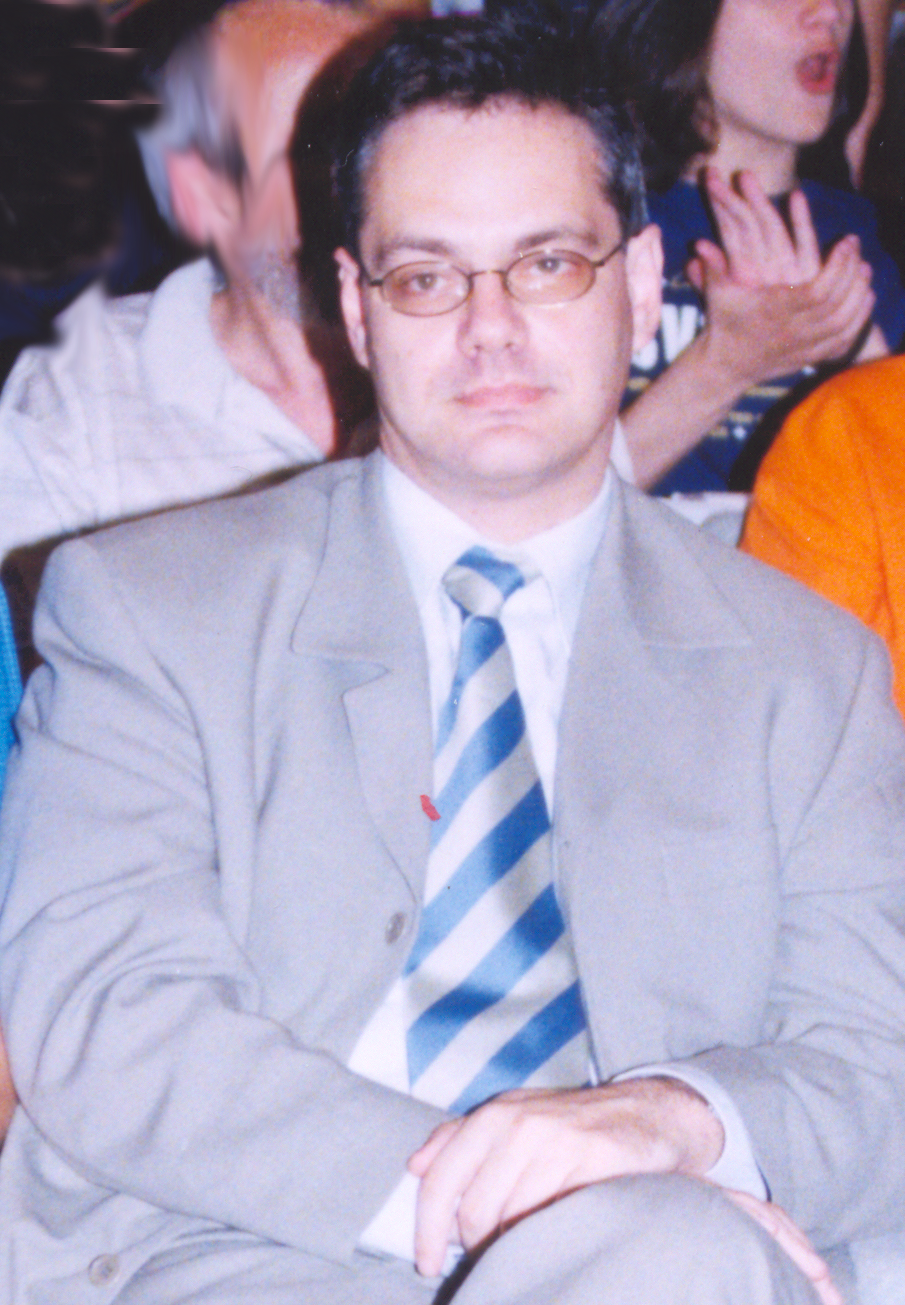
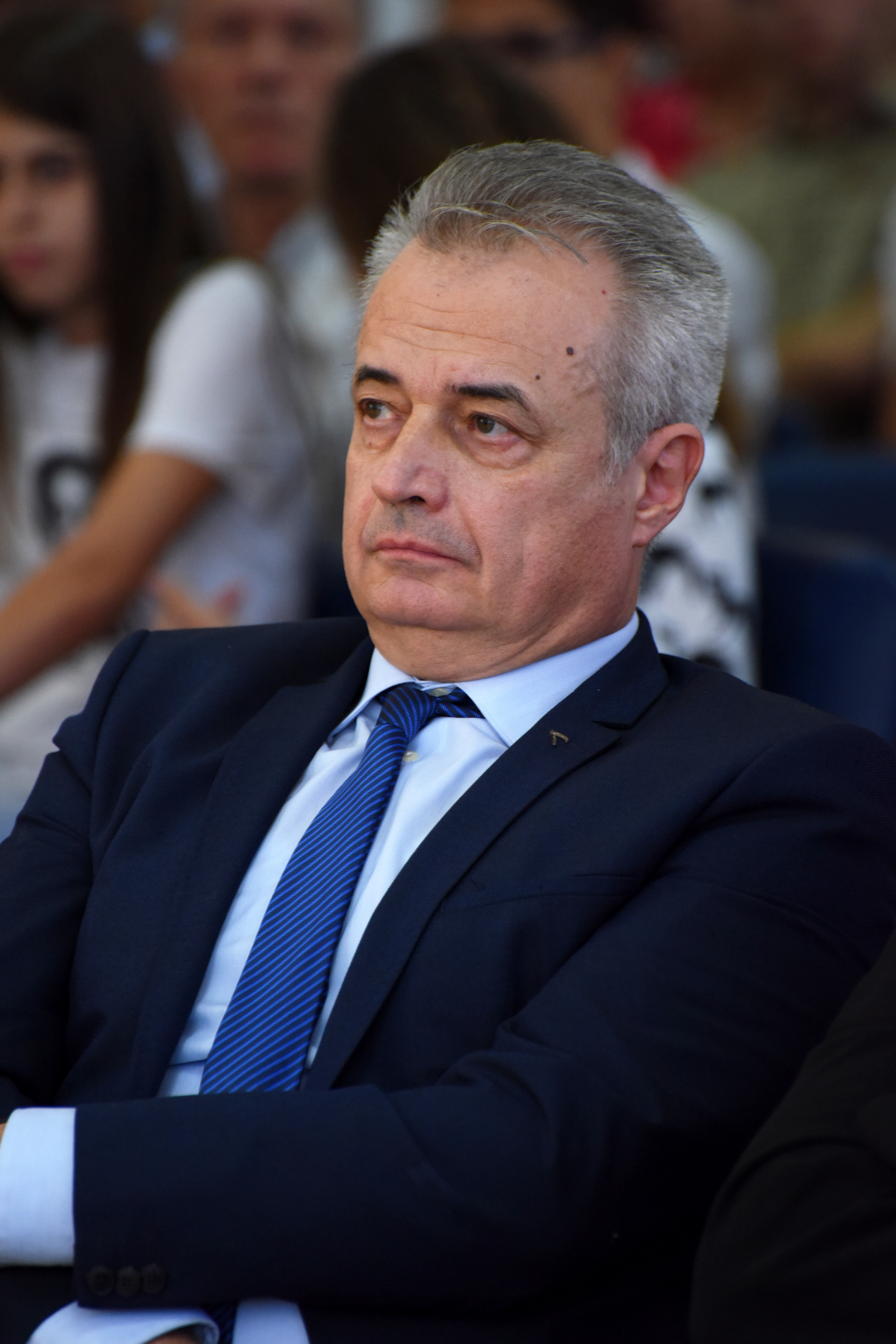
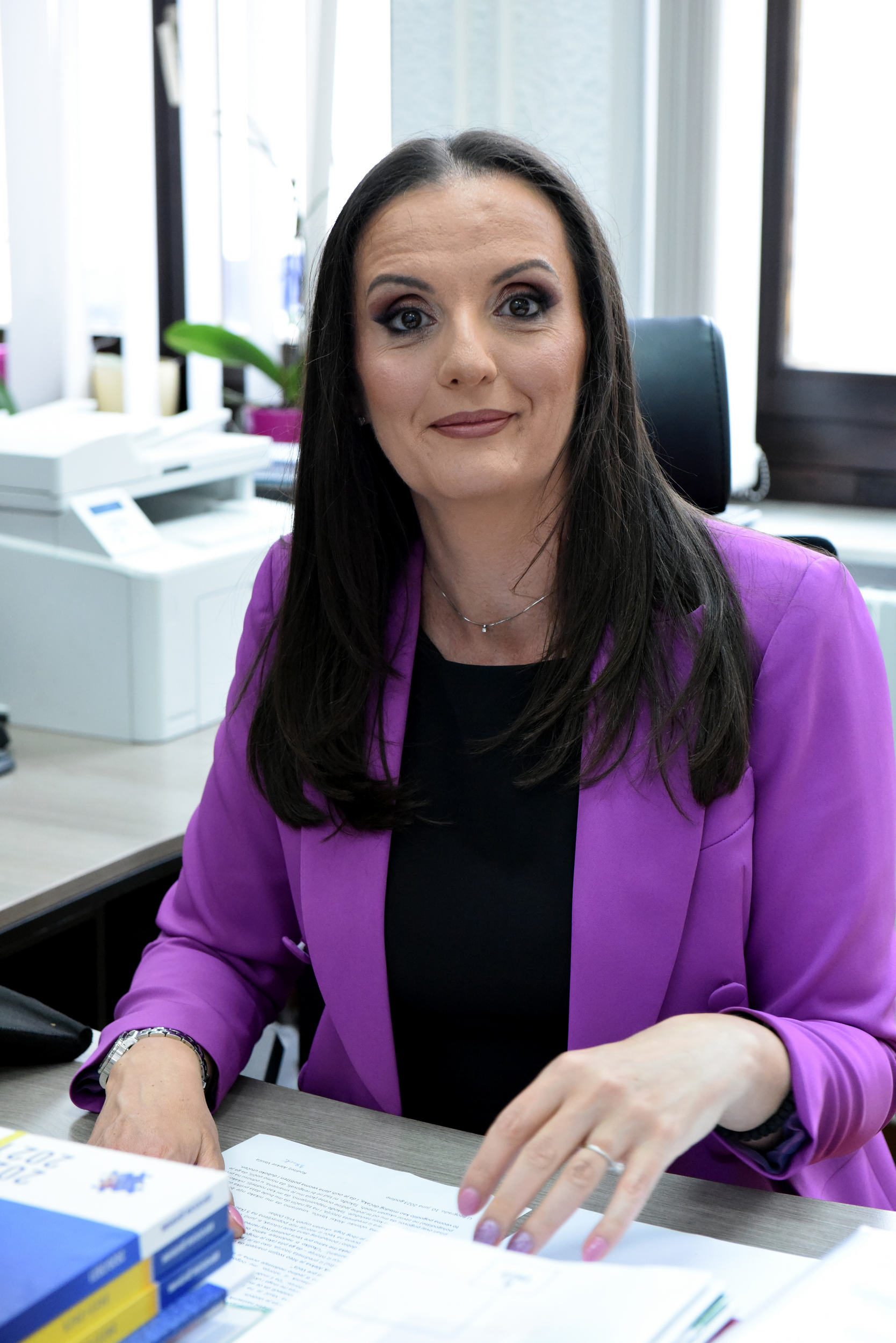
  • Mirjana KaticSince 2019Mirjana Katic

With gratitude

Our retired colleagues

We are proud of our retired colleagues, who devoted a significant part of their working lives to Mathematical Grammar School. Their knowledge, experience and dedication are woven into the life of the school and its generations of students.

  • Bojana Nikic
  • Zora Bogicevic
  • Milesa Popovic
  • Sladjana Vrsajkov
  • Miroljub Lalovic
  • Nadezda Spagnut
  • Javorka Pavlovic
  • Gospava Gasic
  • Vera Lazic
  • Mileva Vukovic
  • Hajrija Nesovic
  • Mira Djoreski
  • Kovina Pesterac
  • Milka Sipka
  • Ljubica Sajic
  • Dragoljub Jovanovic, MSc
  • Radojka Isakovic
  • Milos Aksentijevic
  • Vera Jockovic
  • Branislava Vlaski
  • Olga Dakovic
  • Mihail Sopic
  • Vera Mikic
  • Natasa Kadelburg
  • Zorka Djordjic
  • Ljiljana Cabarkapa
  • Vesna Rapaic
  • Nadija Udovicic
  • Ljubinka Petkovic
  • Jasminka Mihaljinac
  • Branka Dobrkovic
  • Dragan Cvetkovic
  • Nada Pejic
  • Mirjana Micic
  • Milan Cabarkapa
  • Zoran Nikolic
  • Slobodanka Rakovic
  • Srdjan Ognjanovic
  • Mirjana Savic-Obradovic
  • Snezana Ilijev
  • Radivoje Blagojevic
  • Ljiljana Bojkovic
  • Jelena Maksimovic
  • Ana Bozickovic
  • Zoran Ilic
  • Vucica Pantic
  • Aleksandar Kunovac
  • Zeljko Lezaja
  • Mira Petkoski

Thank you for your years of service, support and friendship.

A lasting legacy

In memoriam

With respect and gratitude, we remember the members of our staff who have passed away. Their work, knowledge and humanity left a lasting mark on the school and its students.

  • Branka Djerasimovic
  • Slobodan Tmusic
  • Vasilije Jovic
  • Zivota Joksimovic
  • Enes Udovicic
  • Milan Savic
  • Mihailo Veljkovic
  • Dusan Komnenic
  • Branka Mojsovic
  • Marina Ivanovic
  • Aleksandar Cvetkovic
  • Dragojla Saranovic
  • Ljubomir Protic
  • Arif Zolic
  • Mirjana Ivanovic
  • Ninoslav Ciric
  • Dusan Adnadjevic
  • Natasa Calukovic
  • Vladimir Micic
  • Milan Raspopovic
  • Vukosava Garabandic
  • Vladimir Radovanov

They live on in the fond memories of many students and remain an inspiration to their colleagues.